Many individuals across the Big Island and beyond grapple with sleep apnea and related airway problems. These conditions can significantly impact a patient’s wellness and sleep quality. Fortunately, various treatment options are available, including jaw surgery performed by skilled oral and maxillofacial surgeons. This article delves into the role of jaw surgery in addressing sleep apnea and airway issues, offering insights for those seeking effective solutions.
Understanding Sleep Apnea
What is Sleep Apnea?
Sleep apnea is a common sleep disorder characterized by interruptions in breathing during sleep. These pauses in breathing, which can occur multiple times per hour, often lead to reduced oxygen levels in the blood and can disrupt sleep patterns. The most prevalent form is obstructive sleep apnea (OSA), where the upper airway becomes blocked, limiting airflow to the lungs. Snoring and sleep disruptions are common symptoms. Sleep apnea negatively impacts sleep quality, leading to daytime fatigue and other health problems. Without sleep apnea treatment, it can increase the risk of cardiovascular issues and other serious health concerns.
Types of Sleep Apnea
There are primarily three types of sleep apnea: obstructive sleep apnea (OSA), central sleep apnea, and mixed sleep apnea. Obstructive sleep apnea occurs when the upper airway becomes blocked during sleep, often due to the relaxation of soft tissues in the throat. Central sleep apnea, on the other hand, involves a malfunction in the brain’s signals to the muscles that control breathing. Mixed sleep apnea is a combination of both obstructive and central sleep apnea. Identifying the specific type of sleep apnea is crucial for determining the most appropriate sleep apnea treatment plan and ensuring patients’ specific needs are met.
Symptoms and Diagnosis
Symptoms of sleep apnea can vary but often include loud snoring, witnessed pauses in breathing during sleep, excessive daytime sleepiness, morning headaches, and difficulty concentrating. A home sleep test or a sleep study conducted in a sleep lab is typically used to diagnose sleep apnea. During these tests, breathing patterns, oxygen levels, and other physiological parameters are monitored. If sleep apnea is diagnosed, further evaluation may be necessary to determine the severity of the condition and to explore suitable treatment options. Early diagnosis and intervention are essential to mitigate the potential health consequences associated with untreated sleep apnea.
Causes of Obstructive Sleep Apnea
Role of Jaw Structure
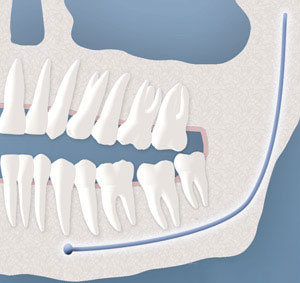
The structure of the jaw plays a significant role in the development of obstructive sleep apnea (OSA). A recessed lower jaw, for example, can lead to a narrowing of the airway, increasing the likelihood of obstruction during sleep. Similarly, the position and size of the upper jaw can affect the available space for breathing. When the jaws are not properly aligned, the tongue may be forced backward, further compromising the airway. In such cases, jaw surgery, also known as orthognathic surgery or corrective jaw surgery, may be recommended by an oral and maxillofacial surgeon to reposition the jaws and open the airway, thus improving sleep quality. This is often a key component of a comprehensive treatment plan for sleep apnea.
Other Contributing Factors
While jaw structure is a primary factor, several other elements can contribute to obstructive sleep apnea (OSA). Obesity, for instance, is strongly associated with OSA, as excess tissue around the neck can narrow the airway. The use of alcohol and sedatives can relax throat muscles, exacerbating sleep apnea. Nasal congestion, allergies, and enlarged tonsils or adenoids can also obstruct breathing during sleep. Furthermore, age and genetics may play a role. Understanding these contributing factors is essential for developing a holistic treatment plan for sleep apnea and can involve collaboration between dentists, oral surgeons, and other healthcare professionals, ensuring the patient’s specific needs are met for long-term wellness.
How Improper Dental Alignment Affects Breathing
Improper dental alignment, or malocclusion, can significantly affect breathing and contribute to sleep apnea. When the upper and lower jaws do not align correctly, it can lead to a compromised airway. An overbite or underbite, for example, can force the lower jaw back, narrowing the airway and increasing the risk of obstruction during sleep. Orthodontic treatment, such as braces, may be used to correct bite issues. Surgery may be needed for serious cases. In some instances, oral appliances, prescribed by a dentist, may be used to hold the jaw forward, maintaining an open airway during sleep, and seeing if oral appliance therapy helps. Proper dental treatments can improve alignment, support better breathing, and alleviate snoring and sleep issues related to sleep apnea.
Jaw Surgery as a Treatment for Sleep Apnea
What is Orthognathic Surgery?
Orthognathic surgery, also known as corrective jaw surgery, is a specialized surgical procedure performed by an oral and maxillofacial surgeon to reposition the jaws and correct skeletal irregularities. This type of surgery may be necessary when orthodontic treatment alone cannot achieve proper dental alignment and correct bite issues. The goal of orthognathic surgery is to improve the overall function and harmony of the facial structure, which not only enhances aesthetics but also addresses functional problems such as difficulty breathing, chewing, or speaking. Orthodontics and orthodontic braces are often a key component in preparing the patient for jaw surgery and ensuring optimal results.
Benefits of Corrective Jaw Surgery
The benefits of corrective jaw surgery extend beyond aesthetics, significantly improving the patient’s sleep quality and overall wellness. For individuals with obstructive sleep apnea (OSA), jaw surgery can open the airway, reducing or eliminating obstruction during sleep. This sleep apnea treatment can lead to a reduction in snoring and sleep disruptions, resulting in more restful sleep and reduced daytime fatigue. Additionally, corrective jaw surgery can improve dental alignment, making it easier to chew and speak. Many patients experience enhanced self-esteem and confidence as a result of the improved facial appearance and functionality. Seeking treatment options and having surgery may greatly benefit the patient.
Who is a Candidate for Surgery?
Determining who is a suitable candidate for jaw surgery involves a comprehensive evaluation by an oral and maxillofacial surgeon and potentially an orthodontist. Ideal candidates often include individuals with obstructive sleep apnea (OSA) related to jaw problems, significant malocclusion (misalignment of teeth), or facial asymmetries. Patients’ specific needs and medical history are carefully reviewed to ensure they are in good general health. Diagnostic imaging, such as X-rays and CT scans, may be used to assess the jaw structure and airway. A thorough discussion of the risks, benefits, and expectations of surgery may also be undertaken to ensure the patient is fully informed and prepared for the treatment plan. If you are in Honolulu, HI, Aiea, or anywhere on the Big Island, call us to schedule a consultation with our oral surgeons.
Consultation and Treatment Options in Hawaii
Initial Consultation with a Dentist
When exploring treatment options for sleep apnea in Hawaii, the initial step often involves a consultation with a dentist or an oral and maxillofacial surgeon. During this appointment, the dentist will assess your dental alignment, jaw structure, and overall oral health to determine if jaw problems are contributing to your obstructive sleep apnea (OSA). They will review your medical history, discuss your symptoms, such as snoring and sleep disruptions, and conduct a thorough oral examination. This consultation helps determine if corrective jaw surgery, also known as orthognathic surgery, is a viable option for improving your sleep quality and addressing your specific needs. In Honolulu, HI, and across the Big Island, experienced professionals are available to guide you through this process. If so, they may be used, along with oral appliances.
Home Sleep Test and Diagnosis
Following the initial consultation, a home sleep test or an in-lab sleep study is often recommended to accurately diagnose the type and severity of sleep apnea. A home sleep test involves using portable monitoring devices to record breathing patterns, oxygen levels, and sleep stages in the comfort of your own home. If obstructive sleep apnea occurs, the test will reveal interruptions in breathing and reduced oxygen saturation during sleep. A dentist or oral surgeons will analyze the data from the home sleep test to confirm the diagnosis and assess the impact of sleep apnea on your overall wellness. This information is crucial for developing an effective sleep apnea treatment plan tailored to your patient’s specific needs. If you are in Aiea and or in Honolulu hi, call us to schedule a consultation.
Developing a Treatment Plan
Based on the diagnosis and assessment, an oral and maxillofacial surgeon, often in collaboration with an orthodontist, will develop a comprehensive treatment plan for your sleep apnea. If jaw structure is identified as a significant contributing factor, corrective jaw surgery, or orthognathic surgery, surgery may be recommended to reposition the jaws and open the airway. This surgical procedure aims to alleviate obstruction and improve breathing during sleep. Additional treatment options, such as oral appliances or a CPAP machine, may be used in conjunction with or as an alternative to surgery, depending on the severity of your condition and your patient’s preferences. The treatment plan will be customized to address your specific needs and improve your sleep quality, while ensuring the patient’s comfort. The oral professional will see if oral appliance therapy helps.
Post-Surgery Care and Recovery
Expected Recovery Timeline
The recovery timeline after jaw surgery for sleep apnea varies from patient to patient, but generally, it involves several weeks to months for complete healing. Immediately after the surgical procedure, there will be some swelling, bruising, and discomfort, which can be managed with medication prescribed by your oral and maxillofacial surgeon. A soft food diet is typically recommended during the initial weeks to allow the jaws to heal properly. As the swelling subsides, you will gradually transition back to a normal diet. Regular follow-up appointments with your surgeon are crucial to monitor your progress and ensure that the jaws are healing correctly and the airway is properly open. The patient should follow all after care instructions closely.
Follow-Up Appointments
Follow-up appointments are an integral part of the post-surgery care and are a crucial treatment option after jaw surgery for sleep apnea. These appointments, with your oral and maxillofacial surgeon, allow for the monitoring of your healing progress and ensure proper alignment. During these visits, the surgeon will assess the facial swelling, check for any signs of infection, and evaluate the stability of the jaw repositioning. Radiographic imaging, such as X-rays, may be used to visualize the bone healing process. Any necessary adjustments to the treatment plan can be made during these follow-up appointments to optimize your recovery and long-term outcomes. If you are in Aiea and or in Honolulu hi, call us to schedule a consultation. If an obstruction of any kind comes up, more surgery may be needed.
Long-Term Management of Sleep Apnea
Long-term management of sleep apnea after jaw surgery involves ongoing monitoring and care to ensure the continued success of the treatment. While corrective jaw surgery aims to provide a lasting solution by addressing the underlying structural issues, lifestyle modifications, such as maintaining a healthy weight and avoiding alcohol and sedatives before sleep, may still be recommended to optimize sleep quality. Regular follow-up appointments with your dentist or sleep specialist are essential to monitor your breathing patterns and assess the effectiveness of the treatment. If any recurrent symptoms or concerns arise, further evaluation and adjustments to your treatment plan can be made. Addressing your patient’s specific needs is the best way to help with sleep apnea.
Q: What is jaw surgery for sleep apnea and how does it relate to sleep apnea treatment in honolulu?
A: Jaw surgery, often called orthognathic or reconstructive jaw surgery, is an oral surgery option used to treat obstructive sleep apnea (OSA) by repositioning a portion of the jaw to open the airway. In honolulu, our dentistry team evaluates anatomy and may recommend this as part of comprehensive sleep apnea treatment. The surgeon will work with your dentist and sleep specialist to provide personalized care and explain anesthesia and recovery details.
Q: Who is a candidate for mandibular advancement or other reconstructive jaw procedures for osa?
A: Candidates typically include patients whose anatomic features — such as a retruded lower jaw — may indicate the need for mandibular advancement to keep the airway open. A consultation today with a DMD or oral surgeon can determine whether dental treatments, imaging, and sleep studies suggest surgery. Factors like diabetes or other medical conditions will be reviewed to ensure safe anesthesia and healing.
Q: How does the surgeon perform jaw advancement and what hardware might be used to treat airway problems?
A: During reconstructive jaw surgery, the surgeon will work to move a portion of the jaw forward and secure it using screws and wires or plates. These implants help stabilize bones as they heal. Occasionally adjuncts like laser tools are used in soft-tissue work, but the core procedure is oral surgery to reposition bone so patients can breathe easier.
Q: What should I expect during recovery after jaw surgery for sleep apnea on the Big Island?
A: Recovery varies, but you can expect some swelling, discomfort, and temporary changes in diet. The surgeon will provide wound care instructions to minimize scar and infection risk and will schedule follow-up visits to monitor bone healing and function. Your dentistry team may coordinate with a sleep specialist to assess improvement in OSA symptoms over time.
Q: Are there non-surgical dental treatments for sleep apnea in aiea and honolulu before considering surgery?
A: Yes, dental treatments such as oral appliance therapy can be effective for mild to moderate OSA and are often tried before recommending reconstructive jaw surgery. A DMD or dentist experienced in sleep apnea may fit a custom oral device that repositions the jaw during sleep. If symptoms persist, further evaluation may indicate the need for surgical options.
Q: How do I begin the process — do I need a referral and how can I schedule a consultation today?
A: Many patients start with a referral from their primary care provider or sleep specialist, but you may also contact our office directly. Fill out our online form or call us to arrange testing and a consultation today. During the visit, the surgeon will review your imaging, discuss anesthesia plans, and outline whether oral surgery or alternative treatments are best.
Q: Will jaw surgery leave a visible scar or affect facial appearance long-term?
A: Most reconstructive jaw procedures are performed through intraoral incisions, which minimizes visible scar on the face. Because the surgery repositions bone, it can change facial profile — often improving airway and facial balance. Your surgeon will discuss expected aesthetic outcomes so you know how the procedure may affect appearance.
Q: What risks should patients consider and how does the team help patients prepare for surgery?
A: Risks include infection, nerve changes, hardware complications, and impacts on bite or speech. The surgeon will provide informed consent, discuss anesthesia risks, and arrange preoperative health checks, especially if you have conditions like diabetes. Our team offers personalized care to help patients understand risks, benefits, and postoperative support; call today or call us to learn more and schedule a consultation today.