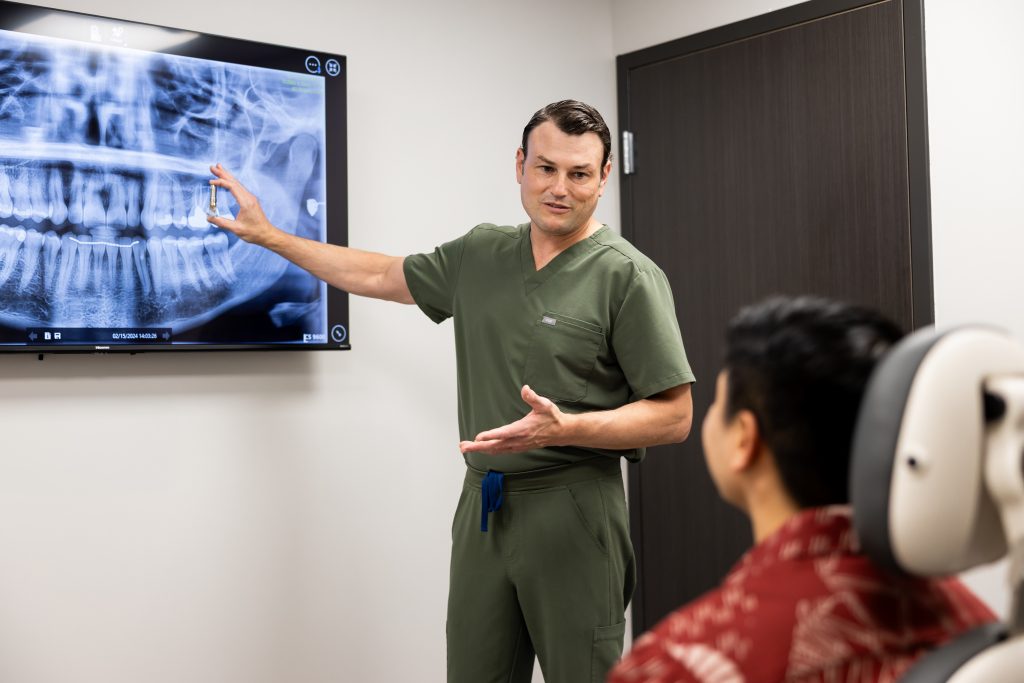
If you’re considering dental implants to replace missing teeth, you’re likely weighing your options. Two popular dental implant materials are zirconia and titanium. Both titanium and zirconia dental implants offer unique benefits, and the right choice depends on your individual needs. This article will delve into a detailed comparison of zirconia vs titanium implants, helping you make an informed decision with the guidance of dental professionals who understand how implants have a success rate based on various factors.
Dental Implant Overview
What are Dental Implants?
Dental implants have revolutionized the field of dentistry, as they are essentially artificial tooth roots surgically placed into the jawbone. These implants offer a stable foundation for replacement teeth that look, feel, and function like natural teeth. Titanium dental implants have long been considered the gold standard, boasting a proven track record of success. However, zirconia implants, made from a ceramic material, have emerged as a viable alternative to titanium, particularly for patients seeking a metal-free option. The process of osseointegration, where the implant material fuses with the bone, is crucial for the long-term success of dental implants, regardless of whether titanium or zirconia is used.
Types of Dental Implants
When exploring the world of dental implants, you’ll discover that both titanium and zirconia come in various forms. Traditionally, titanium dental implants have been the more common choice, backed by extensive research and clinical use. Zirconia dental implants, on the other hand, represent a newer innovation. Understanding the specific types available within each material category is essential. Factors such as the implant’s design and surface treatment can significantly influence osseointegration and overall performance. It’s crucial to discuss these nuances with your dentist to determine which type, be it titanium or zirconia, best suits your unique dental anatomy and restorative needs.
Importance of Choosing the Right Implant
Choosing the right dental implant material, whether it’s titanium or zirconia, is paramount for the long-term success and health of your smile. Selecting between zirconia versus titanium involves careful consideration of several factors, including biocompatibility, the presence of any metal allergies, aesthetic preferences, and the specific location of the implant. While titanium has a long-standing reputation and a proven track record, zirconia offers a metal-free alternative with excellent biocompatibility and aesthetic qualities. The success rate of dental implants largely depends on choosing the right material and ensuring proper osseointegration. Therefore, a thorough consultation with dental professionals is crucial to weigh the pros and cons of titanium and zirconia implants and determine which material is the ideal fit for your individual circumstances. Ultimately, your dentist can guide you towards the dental implant material that will provide a stable, functional, and aesthetically pleasing solution for your missing teeth.
Zirconia Dental Implants
What are Zirconia Implants?
Zirconia implants are a type of dental implant made from zirconia, a white ceramic material known for its strength, durability, and biocompatibility. As a metal-free option, zirconia dental implants present a viable alternative to titanium implants, especially for patients with metal sensitivities or those who prefer a more aesthetic solution. Unlike titanium, zirconia is a ceramic material, giving it a tooth-like color that can blend seamlessly with natural teeth. This makes zirconia dental implants a popular choice for the front teeth, where aesthetics are a primary concern. The process of osseointegration is also crucial for zirconia implants, ensuring a stable and long-lasting foundation for the replacement teeth.
Advantages of Zirconia Dental Implants
Zirconia dental implants offer several advantages that may make them the right choice for certain individuals. These advantages include:
- Biocompatibility: The ceramic material is less likely to cause allergic reactions or inflammation compared to titanium.
- Superior Aesthetics: Zirconia’s tooth-colored appearance provides a natural look, particularly in visible areas.
Choosing between zirconia and titanium also involves considering the metal-free aspect, appealing to those who prefer to avoid metal implants. For individuals with metal allergies or sensitivities, zirconia dental implants present a safe and effective alternative. The zirconia dental implants success rate is comparable to titanium, provided they are properly placed and cared for.
Potential Drawbacks of Zirconia Implants
Despite their advantages, zirconia dental implants also have potential drawbacks. Compared to titanium implants, zirconia has a shorter track record of long-term clinical use, although studies are increasingly supporting their efficacy. While zirconia dental implants demonstrate excellent strength, there are some concerns about their fracture resistance compared to titanium implants under extreme stress. Additionally, zirconia dental implants may be more expensive than titanium implants, which could be a significant consideration for some patients. When choosing between zirconia and titanium, dental professionals will also assess the specific location of the missing teeth, as zirconia implants might not be suitable for all areas of the mouth. Ultimately, a thorough consultation with your dentist is crucial to weigh the pros and cons of zirconia vs titanium implants and determine the best material for your individual needs.
Titanium Dental Implants
What are Titanium Implants?
Titanium dental implants have long been considered the gold standard in restorative dentistry. A titanium implant is a small, screw-shaped post made from biocompatible titanium alloy that is surgically inserted into the jawbone to replace the root of a missing tooth. This titanium and zirconia implant acts as a stable foundation for a replacement tooth, such as a crown, bridge, or denture. The primary advantage of titanium dental implants lies in their exceptional biocompatibility and ability to osseointegrate with the surrounding bone. Osseointegration is a crucial process where the bone fuses directly to the titanium surface, creating a strong and permanent bond. This osseointegration ensures long-term stability and support for the replacement tooth. With a proven track record of success, titanium dental implants are a reliable and effective solution for replacing missing teeth and restoring oral function.
Benefits of Titanium Dental Implants
Titanium dental implants offer a myriad of benefits, establishing themselves as the gold standard in dental restoration. This success is largely due to several key factors:
- They are known for their high strength, durability, and exceptional biocompatibility.
- Titanium dental implants provide excellent stability and support for replacement teeth.
Furthermore, titanium implants can help preserve the integrity of the jawbone, preventing bone loss that can occur after tooth extraction. Because of the titanium dental implants success rate, they are a reliable choice.
Considerations for Titanium Implants
While titanium dental implants are a reliable option, there are several considerations to keep in mind. For patients with known metal allergies, thorough allergy testing is crucial before choosing between zirconia and titanium, as titanium is lightweight and may be a suitable option. Although titanium is highly biocompatible, rare cases of sensitivity have been reported. Additionally, the aesthetic outcome may be a concern for some individuals, as the metal can sometimes show through thin gum tissue, particularly in the front teeth. Another consideration is the potential for galvanic reactions if other metal restorations are present in the mouth. Despite these potential drawbacks, titanium dental implants remain a highly successful and widely used solution for replacing missing teeth. If you’re considering dental implants, be sure to discuss these factors with your dental professional to determine if titanium is the right choice for you. Zirconia implants may be a viable alternative to titanium.
Zirconia vs. Titanium: A Comparative Analysis
Biocompatibility and Osseointegration
When comparing the biocompatibility of zirconia and titanium, both implant materials demonstrate excellent integration with the human body, which is crucial for long-term dental implant success. Titanium has a long-standing history as the gold standard due to its high biocompatibility and ability to osseointegrate effectively with bone tissue. Osseointegration is the process by which the bone grows and fuses directly onto the titanium implant surface, providing a stable and durable foundation for the replacement tooth. Zirconia, being a ceramic material, also exhibits excellent biocompatibility, minimizing the risk of allergic reactions and inflammation in the surrounding tissues. Choosing between zirconia and titanium often involves considering individual patient factors, such as metal sensitivities, as the biocompatibility of the implant material is paramount for a successful outcome.
Cost Comparison: Zirconia Implants vs Titanium Implants
Cost is a significant consideration when choosing between zirconia vs titanium dental implants. Typically, titanium dental implants have been the more cost-effective option due to their widespread use and established manufacturing processes. However, the price of zirconia dental implants can vary depending on several factors, including the complexity of the case, the location of the missing teeth, and the dental professional’s fees. Zirconia implants may involve higher material and fabrication costs due to the advanced ceramic material and specialized manufacturing techniques required. While the initial investment for zirconia implants may be higher compared to titanium implants, it’s essential to weigh the long-term benefits and potential advantages, such as aesthetics and biocompatibility, when making your decision.
Metal-Free Option: Why Choose Zirconia?
For individuals seeking a metal-free option in dental restoration, zirconia implants present a compelling alternative to traditional titanium implants. The primary advantage of zirconia dental implants lies in their ceramic material composition, which eliminates the presence of metal in the oral cavity. This metal-free aspect is particularly appealing to patients with metal allergies or sensitivities, as it minimizes the risk of adverse reactions or galvanic currents. Choosing between zirconia and titanium involves considering personal preferences and health concerns. Since zirconia is a ceramic material, it offers excellent biocompatibility and aesthetics, blending seamlessly with natural teeth. Zirconia dental implants can be a right choice for patients who prioritize a metal-free solution for restoring their smiles.
Making the Right Choice for You
Factors to Consider When Choosing an Implant
When choosing the right dental implant, several factors should be carefully considered to ensure a successful and satisfactory outcome. First and foremost, the patient’s overall health and dental condition play a crucial role in determining the suitability of zirconia and titanium implants. Factors such as bone density, gum health, and the presence of any underlying medical conditions can influence the osseointegration process and the long-term stability of the implant. Aesthetics is another important consideration, particularly for implants placed in the visible smile zone. While titanium dental implants are a reliable gold standard with a proven track record, they may not always provide the most natural-looking result compared to zirconia implants. The right choice depends on a comprehensive evaluation of individual needs and preferences.
Consulting with Your Dentist
Consulting with your dentist is an essential step in the process of choosing the right dental implant. Your dental professional can assess your oral health, evaluate the specific needs of your case, and provide personalized recommendations based on their expertise and experience. During the consultation, your dentist will discuss the pros and cons of both titanium and zirconia dental implants, addressing any concerns you may have regarding biocompatibility, aesthetics, cost, and long-term maintenance. They will also conduct a thorough examination of your teeth, gums, and jawbone to determine the most suitable implant material and placement technique. Your dental professional can guide you toward the implant material that will provide a stable, functional, and aesthetically pleasing solution for your missing teeth. Ultimately, the decision of choosing between zirconia and titanium should be made in collaboration with your dentist to ensure the best possible outcome.
Personal Preferences and Lifestyle Impact
Personal preferences and lifestyle choices can also significantly influence the decision-making process when choosing between zirconia vs titanium dental implants, as patients often choose zirconia for its aesthetic appeal. For individuals who prioritize aesthetics and desire a metal-free option, zirconia implants may be the preferred choice due to their tooth-like color and biocompatibility. On the other hand, patients seeking a more cost-effective and time-tested solution may lean towards titanium implants, which have a proven track record of success. Lifestyle factors, such as dietary habits and oral hygiene practices, can also impact the long-term performance of zirconia and titanium dental implants. Patients who maintain excellent oral hygiene and avoid excessive biting forces are more likely to experience successful osseointegration and implant longevity. The success rate between titanium and zirconia implants may vary depending on each patient. The right choice should align with your individual values and priorities.
Q: What is the difference in implant material between zirconia and titanium?
A: The key differences between zirconia and titanium implants are composition and appearance: titanium is a metal long used in dental research and clinical practice, while zirconia is a ceramic material for dental implants that is tooth-colored. Titanium implants are generally biocompatible, lightweight, and durable; zirconia implants offer a metal-free, aesthetic alternative. The choice of implant material depends on clinical needs, esthetic goals, and patient preferences.
Q: How do zirconia and titanium implants compare for single-tooth implants?
A: For single-tooth implants, both titanium or zirconia implants can work well. Titanium implants have a long track record and strong osseointegration, while zirconia is favored when a ceramic, metal-free option is desired for cosmetic zones. Implant success depends on surgical technique, bone quality, and dental health rather than material alone.
Q: Are zirconia implants vs titanium cost significantly different?
A: Zirconia implants vs titanium cost can vary by practice and region. Zirconia or titanium implants may differ in laboratory, component availability, and prosthetic complexity, so the cost of dental implants often reflects those factors. In many markets zirconia implants are slightly more expensive, but exact pricing depends on the implant system and additional procedures.
Q: What about titanium allergy — should I choose zirconia?
A: True titanium allergy is rare, but some patients report sensitivities. If you have a confirmed titanium allergy or strong concerns, zirconia implants offer a metal-free option. Discuss allergy testing and alternatives with your clinician to determine the best material for dental implants for your case.
Q: How do ceramic implants perform compared to metal implants?
A: Ceramic implants (zirconia implants are made of zirconium dioxide) perform well in many studies, offering good strength, low plaque affinity, and excellent aesthetics. Titanium implants have decades of evidence and are often considered the gold standard for many indications. The differences between zirconia and titanium in long-term outcomes are still being studied in dental research.
Q: Will my dentist recommend titanium vs zirconia based on cost or health?
A: Dentists recommend a material for dental implants based on clinical factors—bone quality, location, load demands, esthetic needs—and patient health. Cost of dental implants and implant system availability may influence recommendations, but implant choice should prioritize predictable outcomes and dental health over price alone.
Q: Can implants fail more often with zirconia or titanium?
A: Implant failure can occur with any material; implants have been the gold standard due to generally high success rates. Titanium may show slightly longer evidence for survival in complex cases, while zirconia may be more technique-sensitive for certain restorations. Proper planning, surgical skill, and maintenance are critical regardless of material.
Q: How do I compare zirconia versus titanium implants when choosing the best material for dental implants?
A: To compare zirconia versus titanium implants, consider aesthetics (zirconia is tooth-colored), allergy concerns (titanium allergy is uncommon), mechanical demands (titanium is well-proven and lightweight), and prosthetic options. Ask your clinician to review differences between zirconia and titanium, show case examples, and provide a free consultation to determine which implant material is best for your individual needs.