Dental Implants in Kona, HI
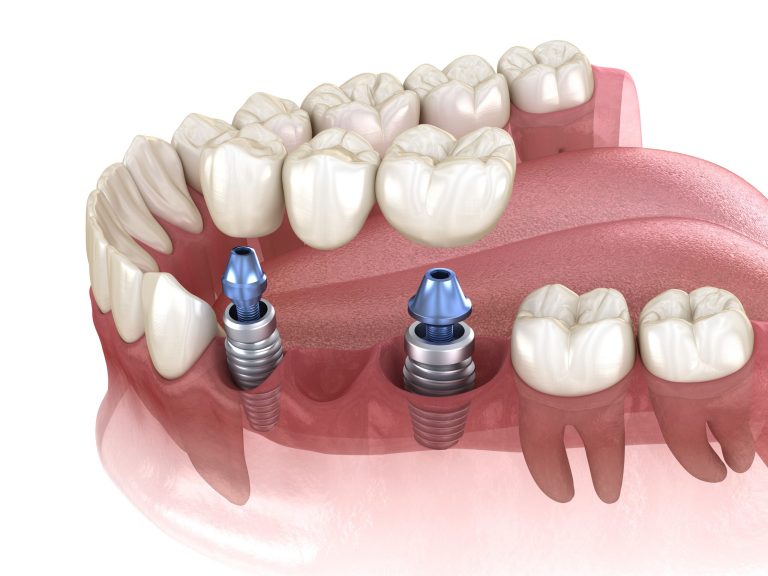
Dental implants are a long-lasting, natural-looking way to replace missing teeth. We use titanium posts placed in the jawbone that act as stable anchors for crowns, bridges, or full-arch restorations — a reliable alternative to removable dentures. Below I walk you through the common implant types, what to expect during the procedure and recovery, typical costs and financing choices. If you are traveling from the west side, here is how to pick a qualified implant specialist serving Kona, HI. Knowing these points will help you make confident decisions about your oral health and everyday comfort.
Key Takeaways
- Dental implants provide a permanent, natural-looking replacement that often outperforms dentures and bridges.
- Common implant options include standard implants, smaller-diameter mini implants, and full-arch All-on-4 solutions — each suited to different needs.
- The typical care path includes consultation, implant placement, a healing phase, abutment placement, and final crown or prosthesis.
- Full integration can take 6–12 months; good oral hygiene and proper pain control support a smooth recovery.
- In Kona, implant costs usually run between $3,000 and $6,000 per implant, depending on complexity and materials.
- Look for a specialist with the right credentials, clinical experience, and positive patient reviews.
- With consistent care, implants can last a decade or more and often far longer.
- Risks include infection, nerve irritation, and implant failure; a thorough consultation helps reduce those risks.
- Alternatives such as bridges and dentures remain valid options — I’ll help you weigh the trade-offs.
Types of Dental Implants
Implants come in several variations so we can match the solution to your mouth, bone structure, and long-term goals. The most common choices are standard implants, mini implants, and All-on-4 full-arch systems.
- Standard Implants: The workhorse option: a titanium post is placed in the jawbone and supports a single crown or a bridge. They offer excellent strength and longevity when there is sufficient bone.
- Mini Implants: Narrower in diameter, mini implants are less invasive and can be used when bone volume is limited or to stabilize denture bases. They’re a good option for select cases but aren’t a direct substitute for every standard implant.
- All-on-4 Implants: With four strategically placed implants, a whole arch of teeth can be fixed in place. This approach is ideal for patients who need full-arch replacement and want a stable, non-removable solution.
All-on-4 often includes an immediate temporary prosthesis, but that convenience comes with added planning and cost considerations. I’ll review whether an immediate provisional or a delayed definitive restoration is the best path for you.
All-on-4 Dental Implants: Immediate Restoration & Costs
The All-on-4 concept can include an immediate provisional restoration (PR) that is later replaced by a definitive restoration (DR) after healing. Immediate provisionals were more common in early All-on-4 protocols; today they’re generally reserved for referred cases or when both jaws need restorations. Immediate restorations can increase treatment complexity and cost compared with placing a definitive restoration right away. This retrospective study compared surgical and prosthetic outcomes of provisional versus definitive immediate restorations to evaluate whether their success rates are comparable.
Evaluation of the surgical and prosthetic success of All-on-4 restorations: a retrospective cohort study of provisional vs. definitive immediate restorations, 2021
Understanding these distinctions helps you choose the implant type that best matches your anatomy, timeline, and budget.
Dental Implant Procedure Steps
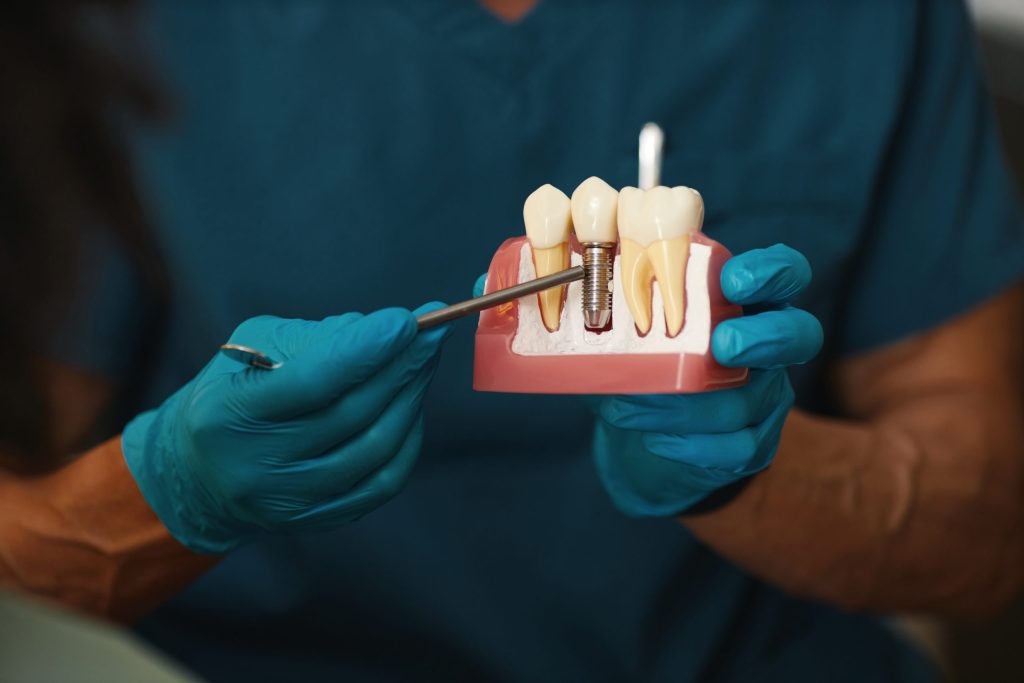
The implant process is predictable when planned and executed carefully. Here are the typical steps you can expect.
- Initial Consultation: I’ll review your medical and dental history, take X‑rays or CBCT scans, and discuss options that fit your goals and anatomy.
- Implant Placement: Under local anesthesia (and sedation if requested), the titanium post is placed into the jawbone. The procedure is routine and focused on your comfort.
- Healing Period: Over several months the bone fuses to the implant (osseointegration). This phase is critical for long-term stability.
- Abutment Placement: After healing, an abutment is attached to the implant to connect the post with the final crown or prosthesis.
- Crown Placement: A custom crown, bridge, or prosthesis is fabricated and secured to the abutment, restoring function and appearance.
Each step is designed to ensure a secure, comfortable result that looks and functions like natural teeth.
Recovery and Aftercare
Recovery plays a major role in implant success. Most people heal well by following simple aftercare and attending follow-up visits. Additionally, dental implants are crucial for long-term success.
Effective post-operative pain management improves comfort and supports healing, so I’ll discuss a pain control plan tailored to you.
Managing Post-Operative Pain After Dental Implant Surgery
This review outlines the mechanisms behind post‑implant pain and evaluates common pain medications used after implant placement. It offers practical recommendations for prescribing analgesics and managing patient comfort. While implant surgery generally has a high success rate and low morbidity, pain and occasional complications can occur, and evidence-based guidance helps clinicians optimize pre- and post‑operative care.
Pre-and post-operative management of dental implant placement. Part 1: management of post-operative pain, 2014
- Expected Recovery Time: Many patients return to normal daily activities within a few days; full bone healing can take 6–12 months depending on the case. Short-term swelling and discomfort are common and usually controllable with medication and cold packs.
- Aftercare Tips: Keep the implant area clean but gentle — soft brushing, gentle rinses, and avoiding hard or crunchy foods help. Follow my diet and activity notes closely.
- Signs of Complications: Contact me if you notice persistent or worsening pain, increasing swelling, fever, or drainage — these can indicate infection or other issues that need prompt attention.
Following instructions and keeping scheduled checkups gives implants the best chance for a long, healthy life in your mouth.
Cost and Financing Options
Implant pricing in Kona varies based on the type of implant, the need for bone grafting or extractions, lab costs for prosthetics, and my experience. A typical range is $3,000 to $6,000 per implant, which usually includes the surgical placement, abutment, and crown. Complex cases or full-arch restorations will be higher.
Because implants are a significant investment, we offer payment plans and other financial tools to help you manage cost.
Dental Implant Costs: Private Payment & Affordability
Dental implant treatment is an effective solution for missing teeth but is only covered by public programs in limited circumstances. Most patients pay privately, often at substantial cost compared with removable dentures. While people expect some out-of-pocket dental expenses, implants can be considerably more expensive than traditional options like dentures.
Paying for treatments?
Influences on negotiating clinical need and decision-making for dental implant treatment, CE Exley, 2009
Financing Options
Our practice offers ways to spread the cost. Common options include:
- Payment Plans: In-house financing or third-party plans let you pay over time in manageable installments.
- Dental Insurance: Some plans may cover part of the cost; coverage varies widely, so check your policy and benefits.
- Health Savings Accounts (HSAs): HSA funds can be used for implant treatment, giving a tax-advantaged way to pay.
Exploring these options ahead of treatment can make planning easier and reduce financial stress.
Financing Option | Description | Benefits |
|---|---|---|
Payment Plans | In-house or third-party financing that spreads payments over months | Flexible monthly payments |
Dental Insurance | Partial coverage of implant-related procedures depending on the plan | Lower out-of-pocket costs |
Health Savings Accounts | Pre-tax savings earmarked for medical and dental expenses | Tax-advantaged way to pay for treatment |
This table summarizes common financing routes and how they can help make implants more attainable.
Choosing a Dental Implant Specialist in Kona
Picking the right specialist matters. A careful selection reduces risk and improves outcomes — here’s what I recommend you look for.
- Qualifications to Look For: Seek a clinician with advanced implant training, board certification or specialist credentials, and membership in professional organizations that reflect ongoing education.
- Questions to Ask: Ask about their implant experience, success rates, types of implants used, sedation options, and how they handle complications. Clear answers indicate thoughtful, patient-centered care.
- Patient Reviews: Read reviews and ask for before-and-after photos. Consistent, positive feedback about results and bedside manner is a strong indicator of quality.
Choosing a provider who explains options clearly, shows clinical expertise, and makes you feel comfortable will improve both your experience and your long-term result.
Patient Reviews
Here are a few of our 400+ Reviews on Google
Painless & Fast Extractions
“He did an outstanding job. I didn’t feel any pain at all and don’t remember anything; it felt like he was done in 2 seconds.” — Gavi P.
“My wisdom teeth removal went perfectly and I had absolutely no swelling or pain… I was given a very thorough evaluation and was made to feel comfortable.” — Natalia K.
“Dr. Rotwein is a very talented surgeon… I didn’t feel ANY pain at all at any stage of healing.” — Esther
“The procedure went very smoothly and Dr. Rotwein and his team work swiftly and efficiently.” — Melenie I.
Managing Anxiety & Great Bedside Manner
“I needed a difficult wisdom tooth removed and was feeling anxious going in. The doctors and staff at Big Island Oral Surgery were compassionate, patient, and communicated everything clearly, which helped ease my fears.” — Alexander K.
“The actual surgery day I was stress-free because of Dr. Rotwein’s confidence and the thoroughness of the team.” — David E.
“The entire staff from the receptionist, to the nurses, to the doctor himself went above and beyond to make me feel comfortable and welcome.” — Isabella W.
Pediatric & Family Care
“My 16-year-old had all 4 wisdom teeth removed and the way they cared for her was more than I could ever ask for.” — Pamela M.
“Dr. Rotwein is a wonderfully attentive and caring physician. He handled both my sons’ wisdom teeth removal. Both procedures went perfect and recovery went very well.” — Jamaica M.
Emergency Response & Aftercare
“Even when I got dry socket a couple days after, they took me in the same day I called and got it fixed right away. Highly recommend.” — Chase A.
“They were able to consult with me in the morning and remove my wisdom tooth a few hours later. I was in and out remarkably fast within 20 minutes.” — Janie W.
Conclusion
Dental implants offer a durable and aesthetically pleasing solution for replacing missing teeth, significantly enhancing your oral health and quality of life. Understanding the types, procedures, and costs involved empowers you to make informed decisions tailored to your needs. By choosing a qualified specialist in Kona, you can ensure a successful outcome and long-lasting results. Take the next step towards a confident smile by exploring our dental implant services today.
Ready to Get Started?
Make an appointment with us to discuss your dental implant options and begin your journey to a healthier, more confident smile.
Frequently Asked Questions
What are the potential risks associated with dental implants?
Dental implants are generally safe, but like any surgery they carry risks: infection at the implant site, nerve irritation, sinus complications for upper implants, and potential implant failure if bone support is inadequate. A thorough exam and medical history review help me minimize these risks and tailor treatment to your needs.
How long do dental implants typically last?
With good oral hygiene, regular dental visits, and healthy habits, implants commonly last 10–15 years and often much longer. Longevity depends on factors like oral hygiene, smoking, systemic health, and the quality of the restoration and surgical placement.
Can anyone get dental implants?
Many adults are candidates, but suitability depends on overall health, bone quantity and quality, and habits like smoking. Chronic conditions such as uncontrolled diabetes can increase risk. A comprehensive evaluation, including imaging, determines whether implants are a safe and effective option for you.
What is the difference between dental implants and dentures?
Implants are anchored in bone and act like natural tooth roots, offering superior stability, chewing function, and esthetics. Dentures are removable appliances that sit on the gums and can require adhesives; they’re generally less expensive but provide different comfort and function levels. Your lifestyle and budget will guide the best choice.
How can I prepare for dental implant surgery?
Preparation includes a full consultation, medical history review, and imaging to assess bone. You may need pre-op instructions such as fasting for sedation or pausing certain medications after consulting your physician. Avoiding smoking and following pre-op guidance help optimize healing.
What should I expect during the healing process after getting implants?
Healing typically spans 6–12 months for full osseointegration. Expect some swelling and mild discomfort at first, manageable with prescribed medication and home care. Keep the area clean, follow dietary guidance, and attend follow-up visits so I can monitor healing and proceed with the final restoration at the right time.
Are there alternatives to dental implants for tooth replacement?
Yes. Bridges and dentures are well-established alternatives. Bridges attach to adjacent teeth to fill a space, while dentures replace multiple teeth and are removable. Each option has pros and cons in cost, maintenance, and function — I’ll review them with you so you can choose what fits your goals.
Don't Settle for Missing Teeth!
Dental implants are natural-looking replacement teeth that can renew your smile. Contact us today to schedule an appointment!