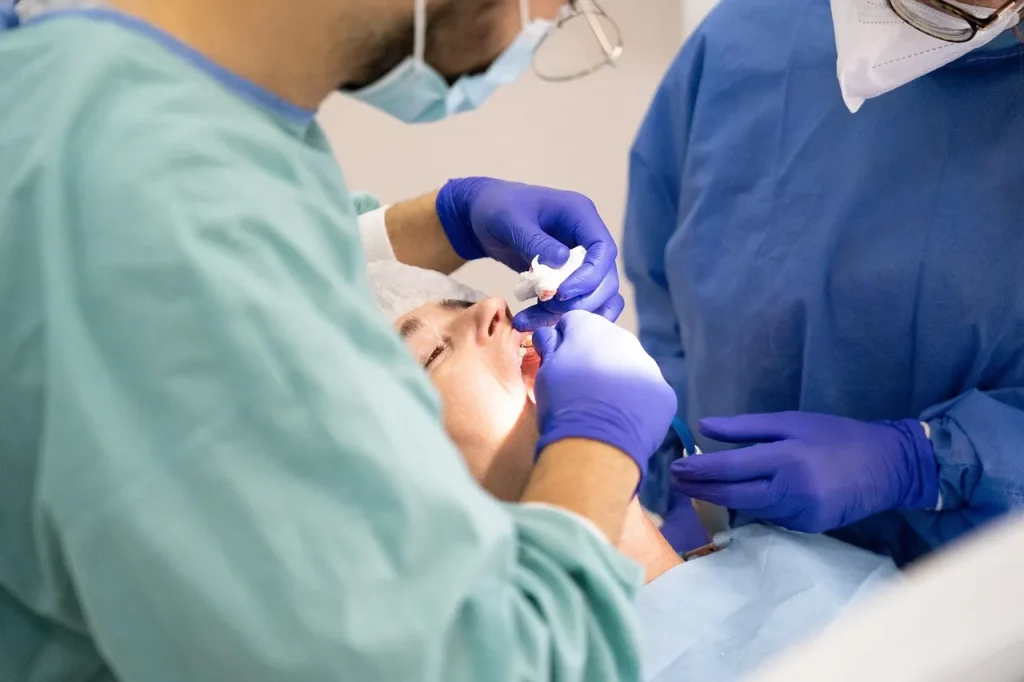
Undergoing oral surgery can be a daunting experience for many patients. The anticipation of pain or discomfort during dental procedures often leads individuals to seek out effective sedation options that ensure their comfort and peace of mind. Understanding the various sedation methods available for oral surgery is crucial for patients to make informed decisions about their treatment. This article will explore the different types of sedation available, including IV sedation, nitrous oxide, and general anesthesia, helping you understand how each method works and what to expect during your oral surgery procedure.
What Are the Different Sedation Options for Oral Surgery?
Types of Sedation Methods Used in Oral Surgery
When it comes to oral surgery, there are several sedation options available to accommodate the varying needs and preferences of patients. The most common types of sedation methods used in oral surgery include local anesthesia, oral sedation, IV sedation, and general anesthesia. Local anesthetics are typically administered directly to the site of the procedure, numbing the area to prevent pain during dental work. Oral sedation involves taking a sedative medication before the procedure, allowing patients to feel relaxed and calm. IV sedation, also known as intravenous sedation, is administered through a vein, providing deeper sedation levels, while general anesthesia renders the patient completely unconscious. Each method of anesthesia has its own unique benefits and is chosen based on the type of oral surgery being performed, such as wisdom teeth removed, and the patient’s level of anxiety.
How is IV Sedation Administered for Dental Procedures?
IV sedation is a popular choice for many oral surgery procedures, particularly those that may induce anxiety or discomfort, such as wisdom teeth extraction or dental implants. The administration of IV sedation involves inserting a small catheter into a vein, usually in the arm or hand. Once the IV is established, a sedative medication from a specific drug family is slowly administered, allowing for precise control over the level of sedation. The goal of IV sedation is to induce a state often referred to as “twilight sedation,” where the patient remains relaxed and calm but may still respond to verbal commands. This method of sedation is highly effective and allows the oral surgeon to perform the procedure with minimal disturbance from the patient.
Understanding Local Anesthetic vs. General Anesthesia
It is essential to differentiate between local anesthetic and general anesthesia when considering sedation options for oral surgery. Local anesthetics are typically used for less invasive procedures, such as fillings or minor extractions, where numbing the specific area is sufficient. In contrast, general anesthesia is administered for more invasive types of oral surgery, such as extensive maxillofacial surgery or complex dental implant placements. General anesthesia renders the patient completely unconscious, providing a deeper level of sedation and ensuring that they do not experience any pain or memory of the procedure. Understanding the differences between these anesthesia options can help patients discuss their preferences with their oral surgeon and choose the most suitable method for their dental needs.
What is IV Sedation and How Does it Work?
What to Expect During IV Sedation for Oral Surgery
When undergoing IV sedation for oral surgery, patients can expect a calm and controlled experience. Upon arrival at the dental office, the oral surgeon will explain the procedure and answer any questions regarding the sedation process. The patient will then be connected to an IV line, where the sedative will be administered slowly, as IV sedation is to use for a more controlled experience. As the medication takes effect, patients often feel relaxed and may even drift in and out of consciousness. It is common for patients to have little to no memory of the procedure once the sedation wears off. Throughout the surgery, the oral surgeon and their team will monitor the patient’s vital signs to ensure safety and comfort.
Benefits of IV Sedation for Dental Procedures
IV sedation offers numerous benefits for patients undergoing dental procedures. One of the primary advantages is the rapid onset of sedation, allowing patients to feel relaxed almost immediately. Additionally, IV sedation can be adjusted throughout the procedure, providing flexibility in managing the level of sedation based on the patient’s needs. This method is particularly beneficial for patients with dental anxiety, as it helps alleviate fear and discomfort associated with oral surgery. Furthermore, patients often report a more positive experience due to the reduced awareness of the procedure itself, making IV sedation an excellent option for complex dental work.
Risks and Considerations of IV Sedation
While IV sedation is generally safe, there are some risks and considerations to keep in mind. Patients should disclose their complete medical history, including any medications they are currently taking, as certain conditions may affect their ability to undergo sedation. Potential side effects of IV sedation can include drowsiness, nausea, and in rare cases, respiratory issues. It is essential for patients to have a responsible adult accompany them to the appointment, as they will need assistance getting home after the procedure due to the lingering effects of the sedative, especially when it comes to anesthesia. Discussing these risks with the oral surgeon can help ensure a safe and comfortable experience.
How Does Nitrous Oxide (Laughing Gas) Work for Oral Surgery?
What Are the Advantages of Using Nitrous Oxide?
Nitrous oxide, commonly known as laughing gas, is another popular sedation option for oral surgery. This method of sedation works by inhaling a mixture of nitrous oxide and oxygen through a mask placed over the nose. The advantages of using nitrous oxide include its fast-acting properties, as patients typically feel its effects within minutes. Unlike IV sedation, nitrous oxide allows patients to remain awake and responsive, making it an ideal choice for less invasive dental procedures. Additionally, the effects of laughing gas wear off quickly once the mask is removed, allowing patients to return to their normal activities shortly after the procedure.
Is Nitrous Oxide Safe for All Patients?
While nitrous oxide is considered safe for many patients, it may not be suitable for everyone. Individuals with certain health conditions, such as respiratory issues or severe anxiety disorders, should discuss their options with their oral surgeon before undergoing sedation. Additionally, pregnant women and patients with a history of substance abuse may be advised against using laughing gas. A thorough consultation with the oral surgeon can help determine if nitrous oxide is a safe and effective option for your specific dental needs, especially when it comes to anesthesia choices.
How Long Does the Effect of Laughing Gas Last?
The effects of nitrous oxide typically last only as long as the patient is inhaling the gas. Once the mask is removed, patients generally begin to feel normal within a few minutes. This quick recovery time is one of the significant advantages of using laughing gas for oral surgery. Patients can expect to leave the dental office shortly after their procedure without the need for a designated driver, making nitrous oxide an appealing sedation option for many who have had wisdom teeth removed.
When Should You Choose General Anesthesia for Oral Surgery?
Indications for Administering General Anesthesia
General anesthesia is often recommended for more complex types of oral surgery, such as extensive maxillofacial surgery, TMJ surgery, or when multiple teeth need to be extracted simultaneously. Patients with severe anxiety, those who may not cooperate during a procedure, or those with significant medical conditions may also be candidates for general anesthesia. The decision to administer general anesthesia is usually made during a consultation with the oral surgeon, who will evaluate the patient’s specific needs and the complexity of the surgery.
Recovery Process After General Anesthesia
Post-operative recovery after general anesthesia requires careful monitoring. Patients will typically be observed in a recovery area until they are fully awake and stable. The effects of general anesthesia can vary from person to person, but it is common to experience grogginess, nausea, or confusion immediately after waking. Patients should arrange for someone to drive them home and avoid any strenuous activities for the remainder of the day. Following the oral surgeon’s post-operative instructions is crucial for a smooth recovery process.
Comparing General Anesthesia and Conscious Sedation
When considering sedation options for oral surgery, it is essential to compare general anesthesia with conscious sedation. General anesthesia renders patients completely unconscious, while conscious sedation allows patients to remain awake but in a deeply relaxed state. Conscious sedation is often preferred for less invasive procedures, as it offers a balance of comfort and responsiveness. However, for more complex surgeries, general anesthesia may be the safer and more effective choice. Discussing these options with your oral surgeon can help determine the best approach for your individual needs and the specific type of oral surgery being performed.
What Are the Levels of Sedation Available for Oral Surgery?
Understanding Deep Sedation vs. Moderate Sedation
In the realm of oral surgery sedation, it is crucial to understand the differences between deep sedation and moderate sedation. Moderate sedation allows patients to remain awake and responsive while feeling relaxed, making it suitable for less invasive procedures. Deep sedation, on the other hand, brings patients to a state where they are less aware of their surroundings and may not respond to verbal commands. The choice between these levels of sedation depends on the complexity of the procedure and the patient’s comfort level. Oral surgeons will assess these factors to recommend the most appropriate sedation option for each individual case.
How to Choose the Right Type of Sedation for Your Procedure
Choosing the right type of sedation for your oral surgery involves several considerations. Patients should discuss their anxiety levels, medical history, and the complexity of the procedure with their oral surgeon. Understanding the different sedation methods available, including local anesthetics, IV sedation, nitrous oxide, and general anesthesia, can help patients make informed decisions. The oral surgeon will provide recommendations based on the individual’s specific needs and the type of dental work required, ensuring a comfortable and successful surgical experience.
Consultation with Your Oral Surgeon About Sedation Options
A comprehensive consultation with your oral surgeon is essential for selecting the most suitable sedation option for your oral surgery. During this appointment, patients should openly discuss their concerns, preferences, and any previous experiences with sedation. The oral surgeon will evaluate the patient’s medical history, the nature of the dental procedure, and any potential risks associated with different sedation methods. This collaborative approach ensures that the chosen sedation option aligns with the patient’s comfort level and the requirements of the oral surgery procedure, ultimately enhancing the overall experience and outcome.
Undergoing oral surgery can be a source of anxiety for many patients, which is why various methods of anesthesia are available to ease their concerns. Fortunately, modern dentistry offers a variety of sedation options to ensure your comfort and a stress-free experience. This article explores the different methods available to help you relax during your procedure..
Frequently Asked Questions
Q: What are the anesthesia options available for oral surgery?
A: The anesthesia options available for oral surgery include local anesthesia, oral sedation, and general anesthesia. The choice depends on the complexity of the surgical procedure and the patient’s comfort level.
Q: What is oral sedation and how does it work?
A: Oral sedation involves taking medication by mouth to help relax the patient during the procedure. It allows patients to remain awake but in a state of relaxation, making it ideal for those undergoing simple oral surgery.
Q: When should I consider sedation or general anesthesia for my oral surgery?
A: You should consider sedation or general anesthesia if you are undergoing a more complex surgical procedure, such as jaw reconstruction or wisdom teeth removal, or if you have anxiety about the procedure.
Q: What are the usual indications for simple oral surgery procedures?
A: Usual indications for simple oral surgery procedures include the removal of simple teeth, such as a simple tooth extraction, and other straightforward oral health issues that do not require extensive intervention.
Q: Can I choose the option of intravenous sedation for my surgery?
A: Yes, patients who undergo IV sedation can choose this option for their surgery. IV sedation provides a deeper level of sedation and is often used for more invasive procedures.
Q: What is “twilight sedation” and how is it used in oral surgery?
A: “Twilight sedation” refers to a state of sedation where the patient is relaxed and semi-conscious but can still respond to verbal commands. This method is often used in oral and maxillofacial surgery to ensure patient comfort while allowing the dentist to perform the procedure effectively.
Q: Are there any risks associated with sedation options for oral surgery?
A: Like any medical procedure, there are risks associated with sedation options. However, when administered by a qualified professional, the risks are generally low. It is important to discuss your medical history and any concerns with your oral surgeon prior to the procedure.
Q: How do I prepare for my oral surgery if I choose sedation?
A: Preparation for oral surgery with sedation may include fasting for a certain period before the procedure, arranging for someone to drive you home afterward, and discussing any medications you are currently taking with your oral surgeon.
Q: Will I remember anything from my oral surgery if I have sedation?
A: Depending on the type of sedation used, you may have little to no memory of the procedure. With IV sedation or general anesthesia, most patients do not remember the experience, while oral sedation may allow for some recollection.
Q: What are the different levels of sedation?
The different levels of sedation typically range from minimal sedation to general anesthesia, which may be used in conjunction with IV sedation, a constant method of anesthesia available for your surgery. Minimal sedation, often achieved with nitrous oxide or a very low dose of oral medication, allows the patient to remain awake but relaxed. Moderate sedation, also known as conscious sedation, makes the patient feel drowsy and very relaxed, but they can still respond to verbal commands, enhancing comfort during the procedure.
Q: Can I eat before my oral surgery?
Whether you can eat before your oral surgery depends entirely on the type of sedation or anesthesia you will receive, including whether you may choose general anesthesia or a less invasive method. If you are only undergoing local anesthesia or minimal sedation with nitrous oxide, you might be allowed to have a light meal a few hours before your appointment. However, if your oral surgeon plans to administer general anesthesia, IV sedation (often referred to as “twilight sedation”), or deep sedation, it is crucial to follow strict fasting guidelines, typically involving no food or drink for several hours prior to the procedure.
Q: How do I know which sedation option is best for me?
Determining the best sedation option for your oral surgery requires a comprehensive discussion with your oral surgeon, who has received anesthesia training and can explain several methods of anesthesia. The oral surgeon will explain the various sedation options available for oral surgery, including conscious sedation, IV sedation, and general anesthesia, detailing how each method of anesthesia works and what to expect. Ultimately, the recommendation for sedation works to ensure your comfort and safety throughout your dental treatment, especially with the use of general anesthesia administered when necessary.