
Expert Wisdom Tooth Removal in Kona, HI – Get Relief Today
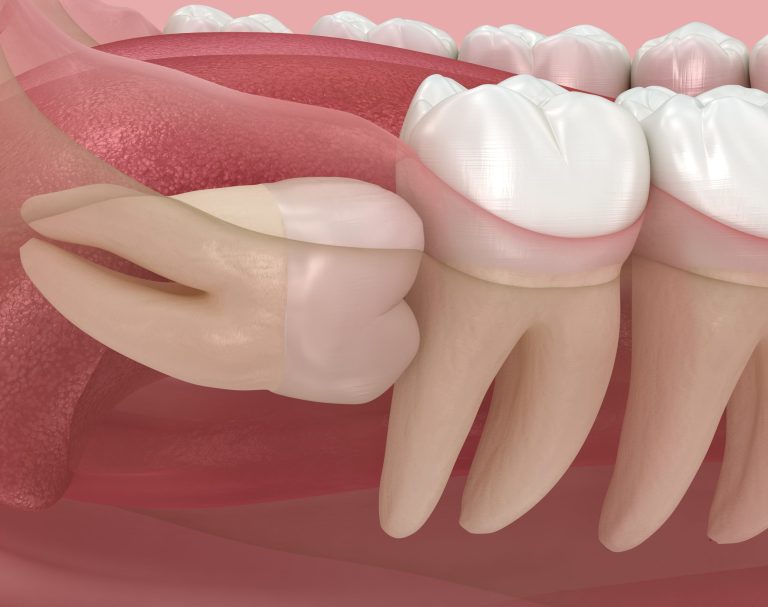
Wisdom tooth removal is a common dental procedure that many of us in Kona, HI, may face as we reach our late teens or early twenties. This guide aims to provide you with a thorough understanding of the wisdom tooth extraction process, including the reasons for removal, surgical techniques, and post-operative care. Many people experience discomfort or complications due to impacted wisdom teeth, which can lead to pain, infection, and misalignment of other teeth. By understanding the importance of this procedure, you can make informed decisions about your oral health.
Key Takeaways
- Wisdom tooth removal is crucial to prevent complications like pain, infection, and tooth misalignment.
- Impacted wisdom teeth often require surgical extraction to alleviate pain and prevent further dental issues.
- Our oral surgery practice in Kona offers sedation options, including local and general anesthesia, for your comfort.
- Pre-operative and post-operative care are essential for a smooth recovery and minimizing complications.
- Recovery from wisdom tooth extraction typically takes one to two weeks, with proper care speeding healing.
- Potential complications include dry socket and infection, requiring prompt attention from our oral surgery team.
- Cost considerations for extraction include complexity, anesthesia type, and insurance coverage options.
- Choosing our qualified oral surgeons in Kona ensures a safe and effective wisdom tooth extraction process.
Comprehensive Guide on Wisdom Tooth Removal in Kona, HI
Wisdom teeth, also known as third molars, typically emerge between the ages of 17 and 25. These teeth can often lead to various dental issues, including crowding, infection, and pain. Understanding the nature of wisdom teeth and their common problems is essential for anyone considering extraction.
1. Overview of Wisdom Teeth
Wisdom teeth are the last set of molars that usually develop in the back of the mouth. They often emerge when there is insufficient space in the jaw, leading to impaction. This can cause pain, swelling, and infection, making it crucial to monitor their development. Many individuals may not have enough room in their mouths for these teeth, resulting in complications that necessitate their removal.
2. Importance of Extraction
The extraction of wisdom teeth is often necessary to prevent complications that can arise from their presence. Some key reasons for extraction include: wisdom teeth removal.
- Preventing Complications: Impacted wisdom teeth can lead to infections, cysts, and damage to adjacent teeth.
- Maintaining Dental Health: Removing wisdom teeth can help maintain the alignment of other teeth and prevent overcrowding.
- Long-Term Benefits: Early extraction can reduce the risk of more complex dental issues in the future.
Research further emphasizes the critical role of wisdom tooth extraction in preventing severe dental issues and managing post-operative discomfort.
Wisdom Tooth Extraction: Indications, Complications & Patient Care
Pathology relating to mandibular wisdom teeth is a frequent presentation to oral and maxillofacial surgeons, and surgical removal of mandibular wisdom teeth is a common operation. The indications for surgical removal of these teeth are alleviation of local pain, swelling and trismus, and also the prevention of spread of infection that may occasionally threaten life. Surgery is commonly associated with short‐term postoperative pain, swelling and trismus. Less frequently, infection, dry socket (alveolar osteitis) and trigeminal nerve injuries may occur. This review focuses on the optimal methods in order to improve patient experience and minimise postoperative morbidity.
Surgical techniques for the removal of mandibular wisdom teeth, W Kashbour, 2020
If you are in Kona, consulting with our oral surgery team can provide insights into the benefits of timely extraction.
3. Expert Oral Surgery Techniques
We employ various techniques to ensure a safe and effective wisdom tooth removal process. Understanding these methods can help you feel more comfortable about your procedure.
Sedation Options
You have several sedation options available during wisdom tooth extraction, including:
- Local Anesthesia: Numbs the area around the tooth, allowing for a pain-free experience during the procedure.
- IV Sedation: Provides a deeper level of sedation, helping you relax while remaining responsive.
- General Anesthesia: Used for more complex extractions, ensuring you are completely unconscious during the procedure.
Advanced Techniques
Modern oral surgery techniques have advanced significantly, offering safer and more efficient procedures. Some of these techniques include:
- 3D Imaging: Allows for precise planning and visualization of the tooth’s position and root structure.
- Minimally Invasive Approaches: Techniques that reduce recovery time and minimize discomfort.
- Patient Comfort Measures: Enhanced focus on your comfort during and after the procedure.
4. Patient Care Practices
Proper care before and after wisdom tooth extraction is vital for a smooth recovery.
Pre-Operative Instructions
You should follow specific guidelines to prepare for your surgery, including:
- Avoiding Food and Drink: You are typically advised not to eat or drink for several hours before the procedure.
- Medication Review: Discuss any medications with us to avoid complications.
- Transportation Arrangements: Since sedation may be used, arranging for someone to drive you home is essential.
Post-Operative Care
After the extraction, you should adhere to care instructions to promote healing: after extraction of wisdom teeth
- Managing Discomfort: Over-the-counter pain relievers can help manage post-operative pain.
- Signs of Complications: Be aware of symptoms like excessive bleeding or signs of infection.
- Follow-Up Care Importance: Attending follow-up appointments is crucial for monitoring your recovery.
5. Recovery Process
The recovery process after wisdom teeth extraction varies among individuals but generally includes:
- Timeline for Recovery: Most patients can expect to return to normal activities within a few days, though complete healing may take a few weeks.
- Common Symptoms During Recovery: Swelling, bruising, and mild discomfort are typical and can be managed with prescribed medications.
- Importance of Follow-Up Appointments: Regular check-ups ensure that the healing process is on track and that any complications are addressed promptly.
6. Potential Complications
While wisdom tooth extraction is generally safe, some risks are associated with the procedure, including: wisdom teeth.
- Common Complications: These may include dry socket, infection, and nerve damage.
- How to Recognize Complications: Be vigilant for unusual symptoms, such as persistent pain or swelling.
- When to Seek Help: If complications arise, contacting us immediately is crucial for timely intervention.
7. Cost Considerations
Understanding the costs associated with wisdom tooth extraction can help you plan accordingly.
- Factors Affecting Cost: The complexity of the extraction, the type of anesthesia used, and the surgeon’s experience can all influence the price.
- Insurance Coverage Options: Many dental insurance plans cover a portion of the extraction costs, so checking with your provider is advisable.
- Payment Plans Available: We offer financing options to help manage costs.
8. Accessing Care in Kona
Finding the right oral surgeon in Kona is essential for a successful wisdom tooth extraction.
- Local Providers: Our practice is dedicated to providing qualified and compassionate care.
- Contact Information: You can make an appointment with us to schedule a consultation.
- Patient Care Focus: We prioritize your comfort and care throughout the entire process.
Who Are the Best Oral Surgeons for Wisdom Tooth Removal in Kona, HI?
Selecting the right oral surgeon is crucial for a successful procedure.
What Qualifications and Credentials Should Kona Oral Surgeons Have?When choosing an oral surgeon, consider the following qualifications:
- Board Certification: Ensures the surgeon has met rigorous standards in oral and maxillofacial surgery.
- Educational Background: A strong educational foundation in dentistry and surgery is essential.
- Continuing Education Requirements: Ongoing training in the latest techniques and technologies is vital for quality care.
How to Choose the Right Oral Surgeon in Kona for Your Dental Extraction
To make an informed choice, you should:
- Inquire About Experience: Ask potential surgeons about their experience with wisdom tooth extractions.
- Check Patient Reviews: Reading testimonials can provide insights into the surgeon’s skill and patient care.
- Discuss Sedation Options: Understanding the sedation methods available can help you feel more comfortable.
How Are Impacted and Non-Impacted Wisdom Teeth Extracted?
The extraction methods differ based on the tooth’s condition:
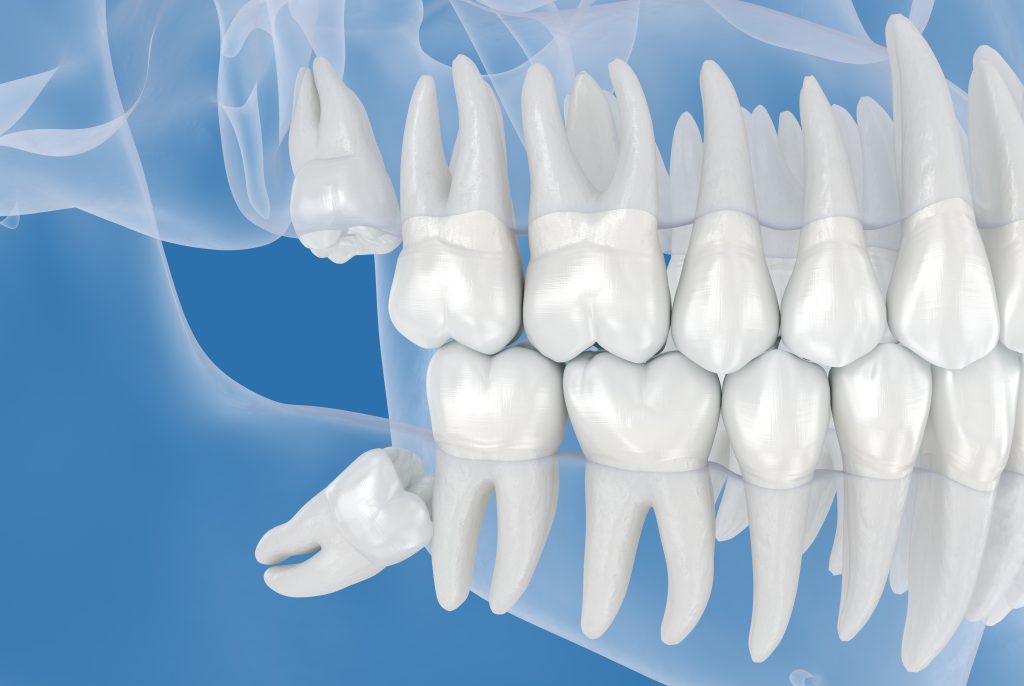
- Impacted Teeth: Often require surgical extraction, which may involve cutting through gum tissue and bone.
- Non-Impacted Teeth: Usually can be removed with a simple extraction technique.
What Are the Benefits and Risks of Local vs. General Anesthesia?
Understanding the differences between anesthesia types is crucial for you:
- Benefits of Local Anesthesia: Allows for a quicker recovery and fewer side effects.
- Risks of General Anesthesia: While effective, it carries more risks and requires longer recovery time.
- Patient Considerations: Discussing preferences and concerns with your oral surgeon can help determine the best option.
How Should Patients Manage Post Wisdom Tooth Removal Care in Kona?
Post-operative care is critical for a successful recovery:
- Pain Management Tips: Over-the-counter pain relievers can help alleviate discomfort.
- Dietary Recommendations: Soft foods are recommended during the initial recovery phase.
- Signs of Complications: Be aware of symptoms that may indicate complications.
What Are the Costs and Insurance Options for Wisdom Tooth Extraction in Kona, HI?
Understanding the financial aspects of wisdom tooth extraction is essential:
- Average Costs: The cost of extraction can vary based on complexity and anesthesia used.
- Insurance Coverage Details: Many insurance plans cover a portion of the extraction costs.
- Payment Options: Discussing payment plans with us can help manage expenses.
Patient Reviews
Here are a few of our 400+ Reviews on Google
Painless & Fast Extractions
“He did an outstanding job. I didn’t feel any pain at all and don’t remember anything; it felt like he was done in 2 seconds.” — Gavi P.
“My wisdom teeth removal went perfectly and I had absolutely no swelling or pain… I was given a very thorough evaluation and was made to feel comfortable.” — Natalia K.
“Dr. Rotwein is a very talented surgeon… I didn’t feel ANY pain at all at any stage of healing.” — Esther
“The procedure went very smoothly and Dr. Rotwein and his team work swiftly and efficiently.” — Melenie I.
Managing Anxiety & Great Bedside Manner
“I needed a difficult wisdom tooth removed and was feeling anxious going in. The doctors and staff at Big Island Oral Surgery were compassionate, patient, and communicated everything clearly, which helped ease my fears.” — Alexander K.
“The actual surgery day I was stress-free because of Dr. Rotwein’s confidence and the thoroughness of the team.” — David E.
“The entire staff from the receptionist, to the nurses, to the doctor himself went above and beyond to make me feel comfortable and welcome.” — Isabella W.
Pediatric & Family Care
“My 16-year-old had all 4 wisdom teeth removed and the way they cared for her was more than I could ever ask for.” — Pamela M.
“Dr. Rotwein is a wonderfully attentive and caring physician. He handled both my sons’ wisdom teeth extractions. Both procedures went perfect and recovery went very well.” — Jamaica M.
Emergency Response & Aftercare
“Even when I got dry socket a couple days after, they took me in the same day I called and got it fixed right away. Highly recommend.” — Chase A.
“They were able to consult with me in the morning and remove my wisdom tooth a few hours later. I was in and out remarkably fast within 20 minutes.” — Janie W.
Conclusion
Understanding the importance of wisdom tooth removal can significantly enhance your oral health and prevent future complications. By choosing our qualified oral surgeons in Kona, you can ensure a safe and effective extraction process tailored to your needs. Prioritizing proper care before and after the procedure will facilitate a smoother recovery. Take the next step towards better dental health by making an appointment with our local experts today.
Frequently Asked Questions
What Should I Expect During the Wisdom Tooth Extraction Procedure?
During the wisdom tooth extraction procedure, you can expect to be given anesthesia to ensure comfort. We will then remove the tooth, which may involve making incisions if the tooth is impacted. The procedure typically lasts about 30 to 60 minutes, depending on the complexity. After the extraction, you will be monitored for a short period before being allowed to go home, usually with post-operative care instructions to follow for a smooth recovery.
How Can I Prepare for My Wisdom Tooth Extraction?
Preparation for wisdom tooth extraction involves several steps. First, you should avoid eating or drinking for several hours before the procedure, as advised by your oral surgeon. It’s also important to review your medications with us to prevent any complications. Additionally, arrange for someone to drive you home post-surgery, especially if sedation is used, as you may feel groggy afterward. Following these steps can help ensure a successful procedure.
What Are the Signs of Complications After Wisdom Tooth Removal?
After wisdom tooth removal, it’s crucial to monitor for signs of complications. Common symptoms to watch for include excessive bleeding, severe pain that doesn’t improve with medication, persistent swelling, or fever, which may indicate an infection. If you experience any of these symptoms, it’s important to contact us immediately for evaluation and potential treatment. Early intervention can help prevent more serious issues from developing.
How Long Does It Take to Fully Recover from Wisdom Tooth Extraction?
The recovery timeline after wisdom tooth extraction varies by individual but generally takes about one to two weeks for initial healing. Most patients can return to normal activities within a few days, although complete healing of the gum tissue may take several weeks. During this time, it’s essential to follow post-operative care instructions, manage pain effectively, and attend any follow-up appointments to ensure proper recovery and address any concerns.
Are There Any Dietary Restrictions After Wisdom Tooth Extraction?
Yes, after wisdom tooth extraction, it’s important to follow dietary restrictions to promote healing. Initially, you should stick to soft foods such as yogurt, applesauce, and mashed potatoes to avoid irritating the extraction site. Avoid hard, crunchy, or spicy foods, as well as hot beverages, for at least a few days. Staying hydrated is essential, but be cautious with straws, as sucking can dislodge the blood clot and lead to complications like dry socket.
What Should I Do If I Experience Dry Socket?
Dry socket is a painful condition that can occur after tooth extraction when the blood clot at the extraction site dislodges or dissolves. If you suspect you have dry socket, look for symptoms such as severe pain that starts a few days after surgery and bad breath. Contact us immediately for evaluation.
How Can I Manage Pain After Wisdom Tooth Extraction?
Managing pain after wisdom tooth extraction is crucial for a comfortable recovery. Over-the-counter pain relievers, such as ibuprofen or acetaminophen, are often recommended to help alleviate discomfort. We may also prescribe stronger pain medication if necessary. Applying ice packs to the outside of your face can help reduce swelling and numb the area. Always follow our instructions regarding medication and pain management for the best results.
Do You Want Your Wisdom Teeth Removed?
If your wisdom teeth are causing you pain or you want to avoid future problems, contact our office to schedule an appointment.