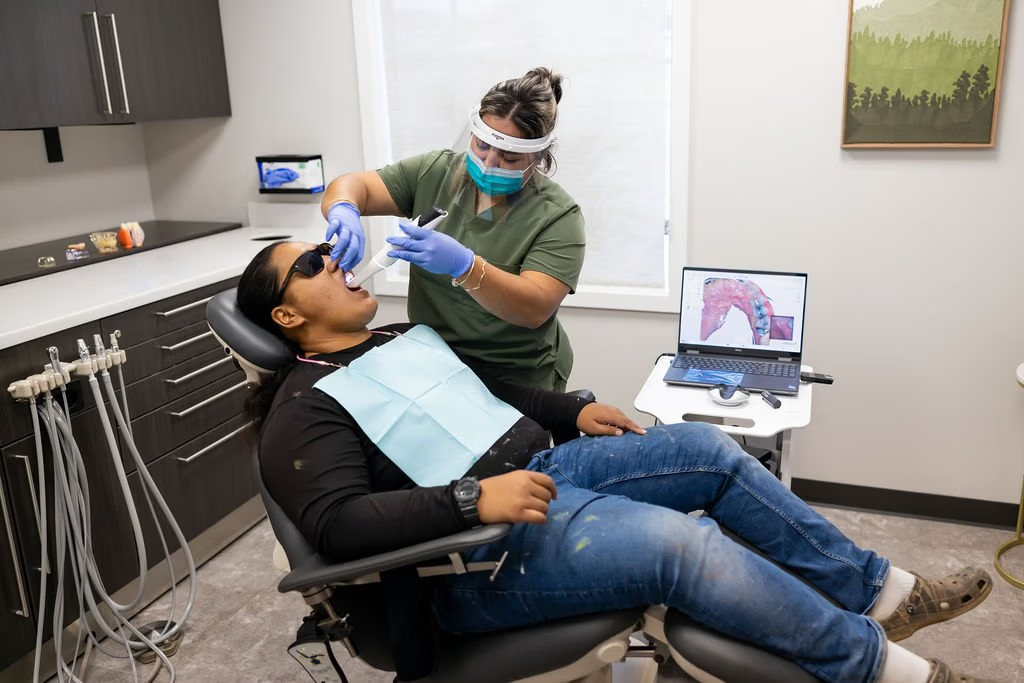
Wisdom teeth, those late arrivals to the party of adult teeth, can often cause more trouble than they’re worth. This article delves into the ins and outs of wisdom teeth extraction, covering everything from the risks of infection to post-operative care, and explaining how much does wisdom teeth removal impact recovery. Why these teeth are often removed includes the potential risks, costs, and frequently asked questions related to dental implant options, especially concerning the removal of impacted teeth within the jawbone. Surrounding the surgical procedure, it’s crucial to understand the importance of blood clot formation for healing and the risk of infection if the clot dislodges. Understanding the process can help you make informed decisions about your oral health.
Understanding Wisdom Tooth Extraction and Oral Health
What Are Wisdom Teeth and When Should They Be Extracted?
Wisdom teeth are the last set of molars to erupt, usually appearing in the ages of 17 and 25, and may need to be removed if they become impacted. These teeth are the last of the permanent adult teeth to emerge, typically in the back corners of your mouth. In many individuals, the recovery tips can significantly improve the healing process after wisdom tooth extraction. jawbone is not large enough to accommodate these additional teeth, leading to various dental issues and the potential need for surgical removal of impacted teeth. A dentist may recommend monitoring their eruption or, more commonly, to remove your wisdom teeth if they become impacted. Dentists may advise wisdom teeth removal to prevent future complications related to the number of teeth in your mouth, as this removal is often necessary for maintaining oral health. For your oral health, it is essential to consider the safe procedure of wisdom teeth removal and its potential impacts on the bone around the four wisdom teeth located in your jaw.
Common Complications From Impacted Wisdom Tooth Extraction
Many problems arise when wisdom teeth become impacted, including damage to surrounding gum tissue and an increased risk of infection. An impacted wisdom tooth is one that doesn’t have enough room to fully erupt or emerges at an angle, pressing against other permanent teeth within the jawbone. This can cause pain, infection in the extraction site, tooth decay, and damage to adjacent molars, especially if the impacted teeth are located close to the jawbone or gums. Furthermore, impacted wisdom teeth may contribute to gum disease, as they are difficult to clean properly. Regular dental check-ups are essential for monitoring the health of wisdom teeth, as their removal is often advised based on professional assessments. and x-rays can help monitor the position of your wisdom teeth and identify potential issues related to impacted teeth. and identify potential issues early, especially those related to impacted teeth.
Signs You May Need Wisdom Teeth Removal
There are several reasons to consider wisdom teeth removal, including the number of wisdom teeth present and their potential impacts on oral health. If the wisdom teeth are impacted and causing pain, infection, or damage to nearby teeth, it may be necessary to remove impacted wisdom teeth, as this removal is often essential for overall dental health. oral and maxillofacial surgeons may recommend extraction as a viable solution, as this removal is often necessary to prevent future dental issues. Similarly, if the teeth are only partially erupted, they can create pockets that trap food and bacteria, leading to chronic infections and gum disease, especially affecting the surrounding gum tissue, which complicates wisdom teeth management.
Wisdom Tooth Extraction Procedure: Step-by-Step
What to Expect During Your Wisdom Tooth Extraction Surgery
During the surgical procedure of wisdom teeth extraction, you can expect a thorough evaluation by a dentist or oral surgeon to discuss how much does a tooth extraction cost. oral surgeon to determine the best course of action. The dentist may utilize x-rays to assess the position of your wisdom teeth and identify any impacted wisdom teeth that may affect the surrounding bone where the tooth is located, which is a common concern in frequently asked questions about wisdom teeth. The type of anesthesia used will depend on the complexity of the extraction and your comfort level during the oral surgery.
Types of Anesthesia for Wisdom Teeth Surgery
The recovery timeline following wisdom teeth removal typically involves some discomfort and swelling in the first 24 hours after surgery, especially in the area where the tooth was removed. It is important to follow the dentist or surgeon’s instructions carefully to promote healing of the gum tissue and prevent complications after having your wisdom teeth removed. Such as the number of wisdom teeth that may need removal. dry socket or infection in the extraction site, which can lead to long-term complications. You’ll likely be advised to use an ice pack to reduce swelling, manage pain with a pain reliever, and take prescribed medication For at least a week following the procedure, monitor for any removal complications.
Wisdom Tooth Extraction Recovery: Timeline and Aftercare
While wisdom teeth extraction is generally a safe procedure, there are potential risks of long-term complications, including mild pain and the possibility that you may experience some discomfort afterward, that should be discussed with your dentist. Potential risks and complications including dry socket, infection, nerve damage, and mild pain should be taken into account when discussing the average cost to remove wisdom teeth.. The dentist or oral surgeon will discuss these risks with you before the surgical procedure and take steps to minimize them, ensuring that the removal is typically safe and addressing any frequently asked questions about wisdom teeth. If you experience severe pain or swelling, schedule an appointment immediately with your dentist or surgeon to address any potential complications of wisdom teeth removal.
Wisdom Tooth Extraction Cost, Factors, and Insurance
Factors That Affect Wisdom Teeth Removal Cost
The cost of wisdom teeth removal can vary significantly based on several factors, including the complexity of the extraction and whether local anesthetic is used. The complexity of the extraction, type of anesthesia, including numbing the area, and geographical location are major determinants. Impacted wisdom teeth often require more intricate surgical procedures, thus increasing the out-of-pocket price for oral surgery and the bone around the teeth located in the jaw. A simple extraction is typically less expensive than removing the tooth when it’s impacted, with costs ranging from $75 to 200 per tooth. Furthermore, the type of anesthesia used, ranging from local anesthesia to sedation, can affect how much does wisdom teeth removal feel during the procedure. general anesthesia, will also affect the overall cost and may require you to make an appointment for a consultation.
Average Cost for Wisdom Tooth Surgery
The average cost of wisdom teeth extraction usually costs widely based on whether the teeth are fully erupted or impacted. A simple extraction might range from $75 to 200 per tooth, while more complex cases often lead to higher costs, showing how much does wisdom teeth removal vary. impacted extractions for both top and bottom teeth can cost from $200 to $600 or more per tooth, depending on the complexity of the case. The overall cost of wisdom teeth extraction also depends on the type of anesthesia used, with general anesthesia typically being more expensive for both top and bottom teeth. These figures are just averages, and the actual cost to remove your wisdom teeth usually can vary based on your location and the specific circumstances of your case.
Dental Insurance and Wisdom Teeth Extraction Coverage
Dental insurance often provides coverage for wisdom teeth removal, but some costs may be considered out-of-pocket depending on the type of extraction and the involvement of the association of oral and maxillofacial surgeons. the extent of the insurance coverage can vary significantly depending on your dental insurance plan. Many dental insurance policies will cover a portion of the cost of wisdom teeth extraction, particularly if the procedure is deemed medically necessary. Check with your insurance provider to understand the specifics of your plan, including the wisdom teeth removal cost, any deductibles, co-pays, and annual maximums.
Frequently Asked Questions about Wisdom Tooth Extraction
What are wisdom teeth and why do they need to be removed?
Wisdom teeth, also known as third molars, are the last set of adult teeth that typically emerge between the ages of 17 and 25. Many individuals have concerns about their comfort level during the procedure, particularly regarding the top and bottom teeth, as the removal is often accompanied by anxiety. wisdom teeth that become impacted, meaning they do not have enough space to properly erupt or develop, which often leads to the need for wisdom teeth surgery. surgical extraction. This can lead to various issues such as frequently asked questions about wisdom teeth. tooth decay, infection, or damage to adjacent teeth. In many cases, wisdom teeth removal becomes necessary to prevent these complications and to maintain good oral health.
What are the risks associated with wisdom teeth removal?
Like any procedure to remove wisdom teeth, there are important considerations. surgical procedure, wisdom teeth removal comes with potential risks. Common risks include complications related to the top and bottom wisdom teeth during the surgical removal process. infection in the extraction site, dry socket (when the blood clot fails to form properly), nerve damage, and prolonged bleeding. Additionally, some patients may experience swelling, pain, and difficulty opening their mouths. It’s essential to discuss these risks with your dentist or oral surgeon prior to the procedure, especially for the top and bottom teeth. extraction to understand how they may apply to your specific case.
What is the average cost of wisdom teeth removal?
The cost of wisdom teeth removal can vary significantly based on several factors, including the complexity of the extraction and the type of anesthesia used. On average, the costs for top and bottom wisdom teeth extraction can vary significantly, with many wondering how much does wisdom teeth removal typically cost. cost to remove a single wisdom tooth The cost to remove impacted wisdom teeth can range from $75 to $200, while the total cost for all four teeth may vary. wisdom teeth can be between $300 and $1,000 for both the top and bottom wisdom teeth, which raises questions about how much does wisdom teeth removal cost in total. It’s advisable to check with your provider to understand your coverage and potential out-of-pocket expenses, particularly if you have top and bottom teeth issues. dental insurance It’s advisable to check with your provider to understand your coverage and potential out-of-pocket expenses, especially hours and after meals.
How do you prepare for a wisdom teeth appointment?
Preparing for your wisdom teeth removal appointment involves several important steps, including taking an x-ray to assess the position of your teeth and answering any asked questions about wisdom teeth. First, schedule an appointment with your dentist or oral surgeon from the American Association of Oral and Maxillofacial Surgeons for a thorough evaluation and to discuss the wisdom tooth extraction cost. Inform your dentist about medical conditions and medications that may affect the cost for wisdom teeth surgery. Follow Follow the pre-operative instructions to ensure a smooth procedure for both top and bottom teeth. to ensure the best outcome and minimize pain and swelling post-surgery, especially if the teeth appear impacted.
What’s the best post-extraction care for wisdom teeth surgery?
Proper Post-extraction care is crucial for a smooth recovery after wisdom teeth surgery. is crucial for a smooth recovery after wisdom teeth removal, especially to minimize pain and swelling, and to ensure you can return to work or school quickly. Brush gently, control bleeding with gauze, use ice packs, take prescribed pain medication to help with pain, eat soft foods, rinse with salt water and avoid smoking. Following the surgical procedure, gently brush your teeth, but avoid the extraction site during the first 24 hours to aid in your wisdom teeth removal recovery. Use gauze to control bleeding and apply an ice pack to your face to reduce swelling after your outpatient wisdom teeth surgery, but do not leave the gauze in for too long.
What are the signs of complications after wisdom teeth are removed?
While wisdom teeth extraction is generally safe, it’s essential to be aware of potential signs of complications. Seek immediate care if you experience severe pain, excessive bleeding, persistent swelling, fever, pus, foul taste, or numbness, especially in your top and bottom teeth, as these could indicate complications of wisdom teeth removal. Severe pain that is not relieved by pain medication, excessive bleeding, or persistent swelling could indicate an issue with the blood clot or healing process.