Facial trauma can be a distressing experience, potentially impacting one’s appearance, oral health, and overall well-being. On the Big Island, access to prompt and effective emergency oral surgery is crucial for individuals who have experienced facial injuries. This article will explore the various aspects of facial trauma and the role of oral and maxillofacial surgeons in providing emergency care.
Understanding Facial Trauma
Facial trauma encompasses any physical injury to the face, ranging from minor cuts and bruises to severe fractures and dislocations. These injuries can affect the soft tissues, such as skin and gums, as well as the underlying bone structures, including the jaw, cheekbones, and nasal bones. The complexity of facial anatomy requires specialized care from an oral and maxillofacial surgeon, particularly in emergency situations where timely intervention is critical to prevent long-term complications. Understanding the different types, causes, and signs of facial trauma is essential for seeking appropriate care and ensuring optimal outcomes.
Types of Facial Trauma
Facial trauma can manifest in a variety of forms, including soft tissue lacerations, bone fractures, dental injuries, and temporomandibular joint (TMJ) disorders. Soft tissue injuries may involve cuts, abrasions, or contusions to the skin, gums, or other facial tissues. Bone fractures can occur in the jaw, cheekbones, nose, or eye sockets. Dental injuries may include fractured, avulsed, or displaced teeth. The location and severity of the facial trauma will determine the appropriate course of treatment, which may range from simple wound closure to complex reconstructive oral surgery performed by an oral surgeon. Emergency dental care is often needed to address these issues promptly and effectively on the Big Island.
Causes of Facial Injuries
Facial injuries can result from a wide range of causes, including motor vehicle accidents, falls, assaults, sports-related incidents, and workplace accidents. Motor vehicle accidents are a leading cause of severe facial trauma, often resulting in multiple fractures and soft tissue injuries. Falls are more likely to cause facial injuries in elderly individuals and young children. Assaults can result in blunt force trauma to the face, leading to fractures, lacerations, and dental injuries. Sports-related incidents can cause facial fractures, dental trauma, and soft tissue injuries. Regardless of the cause, prompt assessment and treatment by an oral and maxillofacial surgeon are essential to minimize long-term complications and restore facial aesthetics and function. When these unfortunate events occur on the Big Island, having access to island oral surgery and emergency oral surgery services is critical.
Signs and Symptoms
The signs and symptoms of facial trauma can vary depending on the type and severity of the injury. Common symptoms include pain, swelling, bruising, facial asymmetry, difficulty breathing or swallowing, numbness, and visual disturbances. Individuals may also experience bleeding from the nose or mouth, as well as tenderness or instability in the facial bones, which should be evaluated by a DMD. In cases of dental trauma, signs may include fractured, loose, or avulsed teeth. Any of these symptoms warrant immediate medical attention, particularly if they are accompanied by loss of consciousness or difficulty breathing. Seeking prompt emergency dental care from a trusted oral surgeon, like those found in Hilo or Kona, is crucial for proper diagnosis and treatment.
Emergency Dental Care on the Big Island
When to Seek Emergency Care
Recognizing when to seek emergency dental care is crucial, especially when dealing with facial trauma or severe oral health issues on the big island. Any significant facial injury, such as facial fractures, warrants immediate attention from an oral and maxillofacial surgeon or a trusted oral surgeon. Severe pain, uncontrolled bleeding, swelling that compromises breathing, or avulsed teeth are all indicators that emergency care is needed. Furthermore, if you experience sudden and severe dental pain, suspect an infection, or have a dental implant issue causing significant discomfort, seeking urgent dental care is paramount. Knowing when to act swiftly can prevent long-term complications and ensure the best possible outcome for your oral health.
Emergency Services in Hilo
For residents of Hilo and surrounding areas on the Big Island, access to prompt oral surgery services is essential. Several dental and oral surgery practices offer emergency dental care and oral and maxillofacial surgery to address urgent needs. These services in Hilo include treatment for facial trauma, extractions of severely infected or damaged teeth, and management of other dental emergencies. Some Hilo oral surgeon offices provide same-day appointments for emergency cases, ensuring that individuals receive timely care. When seeking oral surgery care in Hilo, it’s important to find a dentist or oral surgeon with experience in handling facial injuries and other urgent oral health issues. Having a trusted oral surgeon available can make a significant difference in managing and resolving dental emergencies effectively.
Same-Day Appointments for Urgent Cases
When facial trauma occurs, the need for immediate attention cannot be overstated. Many dental practices and oral surgery centers understand this and offer same-day appointments for urgent dental cases. These appointments are invaluable for addressing issues like severe toothaches, facial fractures, and other dental emergencies promptly. By offering this service, oral surgeons and dentists ensure that patients receive the necessary care without delay, potentially preventing further complications. In cases where a dental implant is compromised or wisdom tooth extractions become urgent, a same-day appointment can provide swift relief and effective treatment. Knowing that Big Island oral surgery practices prioritize these emergency situations provides peace of mind for residents needing immediate oral health assistance and exceptional care.
Oral Surgery Procedures for Facial Trauma
Overview of Oral Surgery
Oral surgery encompasses a range of procedures designed to address injuries, diseases, and defects of the mouth, jaws, and related facial structures. In the context of facial trauma, oral and maxillofacial surgeons play a critical role in assessing and treating injuries ranging from simple lacerations to complex facial fractures. The goal of oral surgery in facial trauma cases is to restore function, aesthetics, and overall oral health. This often involves a combination of techniques, including wound repair, bone grafting, dental implant placement, and corrective jaw surgery. In oral surgery in Hawaii, especially on the Big Island, access to skilled oral surgeons is essential for managing facial injuries and ensuring optimal outcomes for patients. Oral surgery services are also essential in treating complications that may arise following an initial injury.
Common Procedures: Bone Grafting and Implants
Bone grafting and dental implants are frequently utilized procedures in facial trauma cases, particularly when there has been significant bone loss or dental injuries. Bone grafting involves transplanting bone tissue to areas where bone has been damaged or resorbed, providing a foundation for dental implant placement. Dental implants are artificial tooth roots that are surgically placed into the jawbone by a qualified DMD, providing a stable and long-lasting solution for missing teeth. In cases of facial fractures or avulsed teeth, bone grafting and dental implants can help restore the patient’s smile, improve chewing function, and enhance overall facial aesthetics. The oral and maxillofacial surgeon carefully assesses the patient’s individual needs to determine the most appropriate treatment plan, often involving a combination of these procedures to achieve optimal results in oral surgery.
Wisdom Teeth Removal and Its Importance
While not directly related to facial trauma, wisdom teeth removal is a common oral surgery procedure that can impact overall oral health. Impacted wisdom teeth can cause pain, infection, and damage to adjacent teeth, potentially complicating the management of facial injuries. In some cases, oral and maxillofacial surgeons may recommend wisdom tooth extractions as part of a comprehensive treatment plan for facial trauma patients. Removing impacted wisdom teeth, performed by a skilled DMD, can reduce the risk of infection and inflammation, promoting faster healing and improved oral health.. Additionally, extracting wisdom teeth can alleviate pressure on the jawbone, potentially reducing discomfort and improving the overall stability of the jaw following facial injuries. In the context of Big Island oral surgery, addressing wisdom tooth issues contributes to comprehensive oral and facial care.
Choosing a Trusted Oral Surgeon
Qualifications and Expertise
Selecting a trusted oral surgeon is paramount, especially when facing facial trauma or requiring emergency dental care. Look for an oral and maxillofacial surgeon who is board-certified, indicating they have met rigorous standards of training and expertise, including those required for DMD certification. Experience in treating facial fractures, performing dental implant procedures, and managing complex oral surgery cases is crucial. A qualified oral surgeon should possess a deep understanding of oral health, facial anatomy, and surgical techniques. Don’t hesitate to ask about their specific training, the types of procedures they frequently perform, and their success rates. Ensure your oral surgeon has the qualifications to handle all facets of maxillofacial surgery, with a focus on providing optimal patient outcomes. Seeking exceptional care from a surgeon with specialized knowledge of Big Island oral surgery can significantly improve your experience and results.
Patient Reviews and Testimonials
Patient reviews and testimonials offer valuable insights into the quality of care provided by an oral surgeon. Positive reviews often highlight the oral surgeon’s skill, compassion, and ability to effectively communicate treatment options. Look for patterns in the feedback, paying attention to comments about pain management, post-operative care, and overall patient satisfaction. Testimonials can reveal how the oral surgeon, a trained DMD, handles dental emergencies, manages facial trauma cases, and ensures patient comfort throughout the treatment process. While online reviews should be considered alongside other factors, they can help you gauge the oral surgeon’s reputation and the experiences of previous patients. Choose a provider with consistently positive feedback, signaling their commitment to providing excellent oral surgery services and exceptional care.
What to Expect During Your Visit
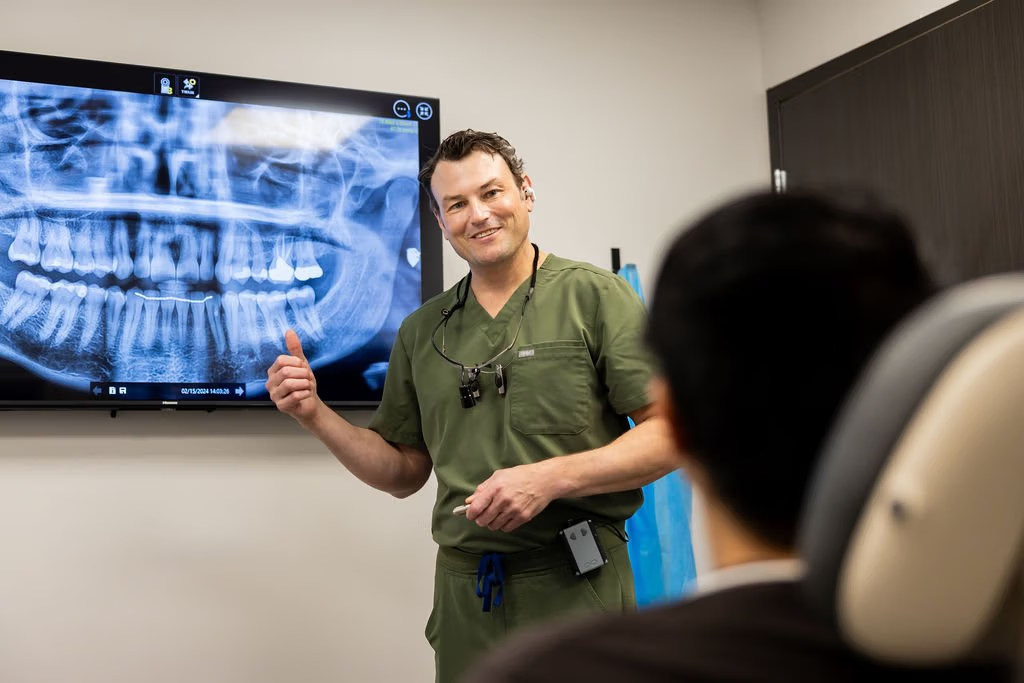
Knowing what to expect during your visit to an oral surgeon, especially a DMD, can alleviate anxiety, especially if you’re dealing with facial trauma or require urgent dental care. Typically, the initial consultation involves a thorough examination of your oral health, a review of your medical history, and diagnostic imaging such as X-rays or CT scans. The oral surgeon will discuss your treatment options, explaining the benefits, risks, and expected outcomes of each procedure. This is an opportunity to ask questions and address any concerns you may have. The oral surgeon will outline the steps involved in the treatment process, including pre-operative preparation, the surgical procedure itself, and post-operative care. Understanding the process and your role in it can significantly improve your overall experience and ensure you receive comprehensive, high-quality oral surgery care.
Comprehensive Dental Care on the Big Island
Routine vs. Emergency Dental Care
Comprehensive dental care encompasses both routine check-ups and emergency dental care. Routine dental care involves regular examinations, cleanings, and preventive treatments aimed at maintaining optimal oral health and preventing dental problems. Emergency dental care, on the other hand, addresses urgent issues such as severe toothaches, facial trauma, avulsed teeth, or dental infections requiring immediate attention from a skilled dentist or oral surgeon. While routine care focuses on prevention, emergency care aims to alleviate pain, control infection, and restore function as quickly as possible. Knowing the difference between these two aspects of dental care is crucial for ensuring you receive timely and appropriate treatment from a DMD for your oral health needs. on the Big Island. Emergency services in Hilo, for example, can provide immediate assistance when unexpected oral health crises occur.
Long-term Care Strategies
Long-term care strategies are essential for maintaining optimal oral health following facial trauma or complex oral surgery procedures. These strategies often involve several key components, including:
- Good oral hygiene practices, such as brushing your teeth at least twice a day, flossing daily, and using an antimicrobial mouthwash.
- Regular dental check-ups that allow your dentist or oral surgeon to monitor your oral health, detect early signs of problems, and provide preventive treatments.
Lifestyle modifications may also be needed, including avoiding smoking, limiting sugary foods and drinks, and protecting your teeth from injury during sports or other activities. For individuals who have undergone dental implant placement or corrective jaw surgery, long-term care strategies also include proper maintenance of dental prosthetics and adherence to post-operative instructions to ensure long-term success and stability. Following these strategies is vital for long-term health, as well as maintaining and restoring a natural-looking smile.
Accessing Dental Services in Hilo
Accessing dental services in Hilo is essential for residents of the Big Island, ensuring they can receive timely and appropriate care for their oral health needs. Hilo offers a range of dental practices and oral surgery centers, providing services from routine check-ups to emergency dental care and complex oral and maxillofacial surgery. Many Hilo oral surgeon offices offer same-day appointments for urgent cases, ensuring individuals receive prompt attention for severe pain, facial injuries, or other dental emergencies. Finding a trusted dentist or oral surgeon in Hilo who meets your specific needs is crucial for maintaining optimal oral health. Consider factors such as the dentist’s experience, qualifications, and the range of services they offer when selecting a provider. Oral and maxillofacial services are also essential in treating complications that may arise following an initial injury.
Q: What constitutes exceptional oral surgery for facial trauma on the Big Island and how does your team deliver it?
A: Exceptional oral surgery for facial trauma means prompt, expert oral surgery care that stabilizes facial injuries, preserves function, and minimizes scarring. Our OMFS-trained DMDs and surgical team provide personalized treatment across the Big Island, including same-day emergency evaluations at the Hilo office and coordinated care with staff at local hospitals to treat facial trauma, intraoral lacerations, bone injuries, and salivary glands issues.
Q: How do you handle dental emergencies and same-day emergency care for severe injuries?
A: If you are experiencing a dental emergency or severe injuries, we offer same-day emergency assessments to stabilize facial fractures, stop bleeding, suture intraoral lacerations, and manage pain with appropriate sedation. When necessary, we coordinate transfer to the emergency room or provide on-site stabilization before definitive oral surgery services or restorative and cosmetic procedures like root canal referral or denture and full-arch planning.
Q: What oral surgery services are available at the Hilo office for patients with bone injuries?
A: The Hilo office provides a full range of oral surgery services for bone injuries, including incision and drainage, fixation to stabilize facial bones, repair of mandible and maxilla fractures, and bone grafting for future dental implant or full-mouth restorative work. Our expert oral surgery team ensures personalized care and surgical expertise for complex trauma and reconstructive needs.
Q: Can your team treat facial trauma and also provide cosmetic or restorative follow-up such as dental implants or full mouth rehabilitation?
A: Yes. After acute management to stabilize facial structures and treat facial trauma, we offer comprehensive follow-up care that includes restorative dentistry, full-mouth rehabilitation, dental implant planning, and cosmetic refinements. Our goal is to combine emergency care with long-term personalized treatment, from full-arch solutions to denture considerations.
Q: What should I expect if accessing the facial bones is necessary during surgery—will sedation or general anesthesia be used?
A: Accessing the facial bones may require local anesthesia with sedation or general anesthesia depending on injury severity. Our team reviews options for sedation and anesthesia, explains risks and recovery, and collaborates with anesthesia providers to ensure safety, all while being led by a skilled DMD professional. Many patients receive tailored sedation to ensure comfort while our surgeons provide precision surgical expertise.
Q: How do you coordinate care across the Big Island, including Waimea and other locations, for patients needing urgent oral surgery?
A: We coordinate care across the Big Island by maintaining communication between our Hilo office, referral networks in Waimea, and staff at local hospitals. For urgent oral surgery needs, we provide triage guidance, arrange transfers when necessary, and offer follow-up at convenient locations to ensure continuity of personalized care and access to expert oral surgery services.
Q: Are salivary gland injuries, intraoral lacerations, and other soft-tissue facial traumas treated by your team?
A: Yes. Our oral and maxillofacial surgery team treats salivary glands, intraoral lacerations, soft-tissue injuries, and associated bone injuries. We perform careful incision, debridement, suture repair, and restorative planning to preserve function and aesthetics, working closely with restorative dentists to optimize healing and long-term outcomes.
Q: When should I choose oral surgery Hawaii specialists (OMFS) over visiting the emergency room for facial trauma?
A: Visit the emergency room immediately for life-threatening issues (airway compromise, uncontrolled bleeding). For non-life-threatening but urgent facial trauma—suspected fractures, severe dental injuries, or persistent pain—contact our oral surgery Hawaii specialists for rapid, same-day emergency evaluation. Our team provides expert oral surgery, stabilization, and personalized treatment plans that often reduce the need for multiple ER visits and facilitate definitive surgical care.