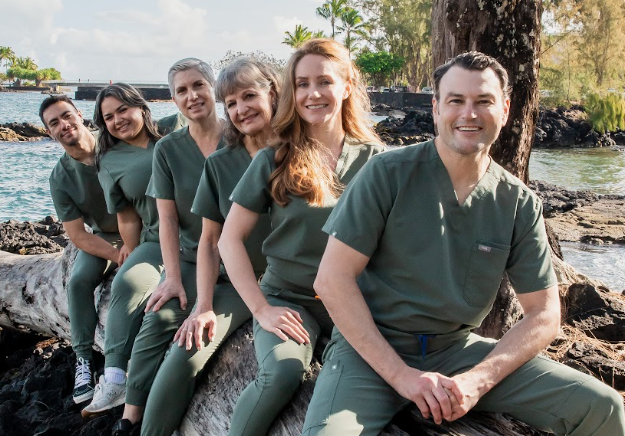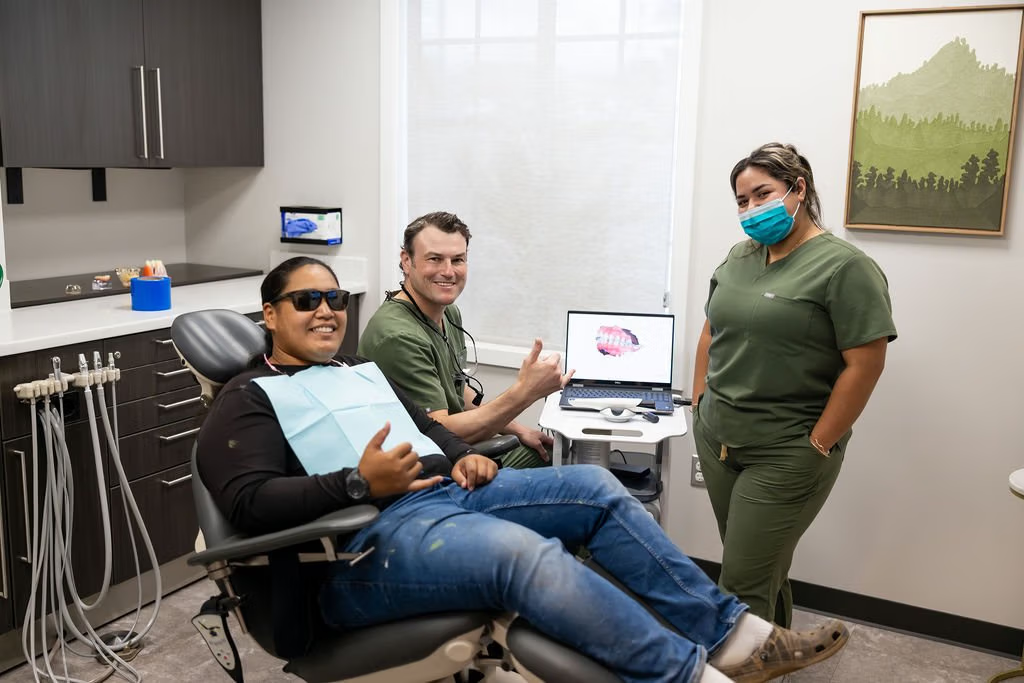
Corrective jaw surgery, also known as orthognathic surgery, is a specialized field focused on correcting irregularities of the jaw bones and realigning the teeth and jaws to improve overall facial aesthetics and function. On the Big Island of Hawaii, including Hilo and Kona, individuals seeking corrective jaw surgery can find expert oral surgery care to address various conditions affecting the jaw and facial structure. Island Oral Surgery provides exceptional oral surgery services on the big island. A consultation with a skilled oral and maxillofacial surgeon is essential to determine if orthognathic surgery is the right treatment option.
Understanding Corrective Jaw Surgery
What is Orthognathic Surgery?
Orthognathic surgery, often referred to as corrective jaw surgery, is a surgical procedure performed by an oral and maxillofacial surgeon to correct a wide range of minor and major skeletal and dental irregularities. The term “orthognathic” is derived from Greek words meaning “straight jaw.” These procedures involve repositioning the jaw bone, either the upper jaw (maxilla), lower jaw (mandible), or both, to achieve proper alignment and improve the patient’s bite and facial harmony. Orthognathic surgery is often performed in conjunction with orthodontic treatment by a dentist to ensure optimal tooth alignment and long-term stability. The oral surgeon meticulously plans the surgical procedure, often utilizing advanced imaging techniques and computer-aided design to achieve predictable and successful outcomes.
Benefits of Corrective Jaw Surgery
Corrective jaw surgery offers many benefits that go beyond cosmetic improvements. These benefits include:
- Enhanced oral health.
- Improved chewing, speaking, and breathing functions.
The surgery can also provide alleviation of jaw pain, headaches, and temporomandibular joint (TMJ) disorders, correction of bite irregularities, improved facial symmetry, enhanced self-esteem and confidence. The transformative effects of corrective jaw surgery can significantly improve a patient’s quality of life, providing long-term relief from functional and aesthetic concerns. Island Oral Surgery provides corrective jaw surgery services in Hilo and Kona.
Common Conditions Treated
Corrective jaw surgery addresses a wide spectrum of conditions related to jaw and facial abnormalities, including skeletal malocclusions, facial asymmetry, congenital conditions like cleft lip and palate, temporomandibular joint (TMJ) disorders, sleep apnea, and facial trauma. A consultation with an experienced oral and maxillofacial surgeon is crucial to determine the most appropriate treatment plan for each patient’s specific condition in Hilo or Kona office.
Choosing the Right Oral Surgeon
Qualifications of a Trusted Oral Surgeon
Selecting a qualified and trusted oral surgeon is paramount for a successful corrective jaw surgery. Look for an oral and maxillofacial surgeon who is board-certified and has extensive experience performing orthognathic surgery with a proven track record of positive patient outcomes. Dr. Robert A. Johnson DMD, MD. A trusted oral surgeon should have extensive experience performing orthognathic surgery and a proven track record of positive patient outcomes. A prospective patient can inquire about the number of corrective jaw surgeries the surgeon has performed and request to see before-and-after photos of previous patients. It is vital that your oral surgeon is well versed in oral surgery and dental surgery procedures.
Questions to Ask During Your Consultation
During your consultation with a prospective oral surgeon in Hilo or Kona, asking the right questions is essential to making an informed decision about your corrective jaw surgery. Key areas to explore with your surgeon include:
The surgeon’s experience with your specific condition.
The proposed treatment plan, including potential risks and complications.
The recovery process.
Costs involved.
A reputable oral surgeon will address your concerns thoroughly and provide clear and honest answers.
Patient Testimonials and Success Stories
Patient testimonials and success stories can offer valuable insights into the experiences of others who have undergone corrective jaw surgery. Reading about the journeys of previous patients can provide reassurance and help you visualize the potential benefits of the procedure. Look for reviews and testimonials that address both the functional and cosmetic aspects of the surgery, as well as the patient’s overall satisfaction with the outcome. It’s important to consider a variety of perspectives and experiences when evaluating an oral surgeon’s reputation. These accounts can also highlight the surgeon’s communication skills, bedside manner, and commitment to patient care. The success of this procedure is down to the quality of oral surgery care.
Oral Surgery Services in Hilo and Kona
Overview of Services Offered
Island Oral Surgery, serving both Hilo and Kona on the Big Island of Hawaii, provides a comprehensive range of oral surgery services. These services include, but are not limited to:
Corrective jaw surgery (orthognathic surgery) and dental implant placement.
Maxillofacial surgery for trauma and reconstruction.
Wisdom teeth removal and bone grafting.
Treatment of temporomandibular joint (TMJ) disorders.
The surgical team is dedicated to delivering exceptional oral surgery care with a focus on patient comfort and optimal outcomes. With convenient locations in Hilo and Kona, patients can easily access expert oral surgery services tailored to their specific needs.
Advanced Techniques in Orthognathic Surgery
Corrective jaw surgery has seen significant advances in recent years, with oral and maxillofacial surgeons now employing state-of-the-art techniques to enhance precision and outcomes. These advances include computer-aided surgical planning, three-dimensional imaging, minimally invasive surgical approaches, and custom-made surgical guides and splints. Three-dimensional imaging, used by your dentist, also plays a crucial role in assessing the jaw bones and facial structures, ensuring accurate surgical execution. Minimally invasive surgical approaches are increasingly used to reduce tissue trauma, minimize scarring, and accelerate the recovery process. Furthermore, custom-made surgical guides and splints aid in the precise repositioning of the jaw bones, achieving optimal functional and cosmetic results.
Cosmetic Enhancements Post-Surgery
While the primary goal of corrective jaw surgery is to improve jaw function and correct bite irregularities, it often results in significant cosmetic enhancements, including a more balanced and harmonious facial appearance. Patients often experience improvements in their profile, cheekbone definition, and overall facial proportions. In some cases, additional cosmetic procedures, such as rhinoplasty or chin augmentation, may be considered to further enhance the cosmetic outcome. The oral and maxillofacial surgeon will carefully assess the patient’s facial aesthetics and discuss the potential cosmetic benefits of corrective jaw surgery during the consultation appointment in the Hilo office or Kona office. The maxillofacial surgeon provides dental reconstruction and oral surgery hawaii patients can trust. The ultimate goal is to achieve both functional and aesthetic harmony, improving the patient’s overall quality of life. After a tooth extraction, bone grafting can assist in reconstruction.
Preparing for Your Surgery
Initial Consultation and Diagnosis
The first step in preparing for corrective jaw surgery is an initial consultation with an oral and maxillofacial surgeon, which involves a thorough examination, diagnostic tests, and a discussion of your concerns and goals for the surgery. During this appointment in either the Hilo office or Kona office, the oral surgeon will conduct a thorough examination, including a review of your medical and dental history. Diagnostic tests, such as X-rays, 3D imaging, and dental impressions, will be performed to assess your jaw structure and bite alignment. The oral and maxillofacial surgeon will discuss your concerns and goals for the surgery, explaining the proposed treatment plan and potential outcomes. This consultation is a crucial step in determining if orthognathic surgery is the right choice for addressing your specific condition and achieving optimal oral health in Hawaii.
Pre-Surgery Instructions and Considerations
Prior to your corrective jaw surgery, your oral surgeon will provide detailed pre-surgery instructions to ensure a smooth and successful procedure. These instructions may include guidelines on diet, medications, oral hygiene, and the potential need for pre-surgical orthodontic treatment. These instructions may include guidelines on diet, medications, and oral hygiene. You may be advised to avoid certain medications, such as blood thinners, that can increase the risk of bleeding during surgery. If you smoke, you will be strongly encouraged to quit smoking several weeks before surgery to promote proper healing. Your oral surgeon may also recommend pre-surgical orthodontic treatment to align your teeth properly before the jaw repositioning. It’s essential to follow these instructions carefully and address any concerns or questions with your oral and maxillofacial surgeon before your surgery.
What to Expect on Surgery Day
On the day of your corrective jaw surgery, you will undergo anesthesia, and the oral and maxillofacial surgeon will perform the necessary jaw repositioning, securing the jaws with surgical screws and plates. On the day of your corrective jaw surgery, you will arrive at the surgical facility in Hilo or Kona, where the surgical team will prepare you for the procedure. Anesthesia will be administered to ensure your comfort throughout the surgery. The oral and maxillofacial surgeon will perform the necessary jaw repositioning, which may involve cutting and reshaping the jaw bones. The incisions are typically made inside the mouth to minimize visible scarring. Once the jaws are properly aligned, they will be secured with surgical screws and plates. The procedure usually takes several hours, depending on the complexity of the case. After the surgery, you will be closely monitored in the recovery area before being discharged to go home. Island Oral Surgery strives to provide exceptional oral surgery care for a smooth surgical experience.
Recovery and Aftercare
Post-Operative Care Instructions
Following corrective jaw surgery, proper post-operative care is essential for a successful recovery, including wound care, pain management, diet, and maintaining good oral hygiene. Your oral surgeon will provide detailed instructions on wound care, pain management, and diet. Maintaining good oral hygiene is crucial to prevent infection. You’ll need to gently rinse your mouth with a prescribed mouthwash after meals. Initially, you’ll follow a liquid or soft diet to avoid putting excessive stress on your jaw. As healing progresses, you can gradually introduce solid foods. It is important to avoid strenuous activities and follow any specific instructions to promote proper bone healing. Trusted oral surgery care is available at Island Oral Surgery.
Managing Pain and Discomfort
Pain and discomfort after corrective jaw surgery can be effectively managed with prescribed pain medication and ice packs. It’s important to take your pain medication as directed and avoid activities that can exacerbate pain, such as excessive talking or chewing. The surgical team will also provide guidance on managing swelling, bruising, and any other potential side effects. If you experience severe or persistent pain, contact your oral and maxillofacial surgeon promptly. Dr. Robert A. Johnson DMD, MD is available to ensure your pain is effectively managed.
Follow-Up Appointments and Care
Regular follow-up appointments with your oral and maxillofacial surgeon are crucial for monitoring your healing progress and ensuring a successful outcome. During these appointments, the surgeon will evaluate your bite alignment, assess bone healing, and address any concerns you may have. Your dentist may also be involved in your aftercare to make sure tooth alignment is correct. Additional orthodontic treatment may be necessary to fine-tune your bite. It’s important to attend all scheduled appointments and follow your oral surgeon’s recommendations to ensure a successful outcome and maintain long-term oral health. Expert oral surgery services are provided in Hilo and Kona, Hawaii.
Q: What is corrective jaw surgery (orthognathic surgery) and why would someone on the big island of hawaii consider it?
A: Corrective jaw surgery, also called orthognathic surgery, is a reconstructive procedure performed by an oral and maxillofacial surgeon to realign the jaws and teeth for improved function, facial balance, and dental health. Patients on the island of hawaii—whether in hilo office or kailua-kona office—may consider it for problems such as severe malocclusion, difficulty chewing or speaking, sleep apnea related to jaw position, or facial asymmetry. Big island oral surgery teams coordinate closely with dentistry and orthodontics to plan comprehensive care.
Q: How do I choose the right maxillofacial surgeon or hilo oral surgeon on the island?
A: Look for a board-certified oral and maxillofacial surgeon with specific experience in orthognathic and reconstructive surgery. Check credentials, patient outcomes, and whether the surgeon works with a multidisciplinary team including orthodontists and facial plastic specialists. Reviews, referrals from your dentist, and affiliation with the american dental association or local big island oral surgery practices can help you find exceptional oral surgery care in hilo or at the kailua-kona office.
Q: What should I expect during the consultation at a kailua-kona office or hilo office for corrective jaw surgery?
A: During the consultation, the surgeon will review your dental and medical history, perform a clinical exam, and order imaging such as X-rays, 3D CT scans, or dental models. The team will discuss treatment options, potential need for bone grafting, wisdom teeth removal, dental implant coordination, and a timeline for orthodontic work. You’ll receive a personalized plan explaining reconstructive steps, risks, and recovery expectations specific to the island of hawaii setting.
Q: Will corrective jaw surgery involve bone grafting or dental implants as part of reconstructive treatment?
A: In some cases, yes. Bone grafting may be necessary to augment deficient jawbone for stability or to support dental implants. If tooth replacement is part of the reconstructive plan, your maxillofacial surgeon may coordinate dental implant placement either during or after orthognathic surgery. Big island oral surgery teams experienced in oral and maxillofacial surgery and reconstructive procedures will outline whether bone grafting or implants are recommended.
Q: How long is recovery after orthognathic surgery, and what oral surgery care is needed on the big island?
A: Initial recovery typically takes 2–6 weeks, with complete healing and final orthodontic adjustments taking several months. Postoperative care includes pain management, a soft or liquid diet initially, oral hygiene instructions, and follow-up visits to the hilo oral surgeon or kailua-kona office. If you live elsewhere on the island of hawaii, your surgeon will provide a schedule for remote check-ins and local emergency contacts to ensure exceptional oral surgery care.
Q: Can corrective jaw surgery correct issues related to wisdom teeth removal or other dental problems?
A: Corrective jaw surgery addresses jaw alignment and occlusion; while wisdom teeth removal is a separate oral surgery, the procedures can be coordinated. For example, wisdom teeth may be removed prior to or during orthodontic treatment to create space, and the oral and maxillofacial surgery team will plan sequencing to optimize outcomes. Collaboration between your dentist, orthodontist, and big island oral surgery specialists ensures comprehensive dental and reconstructive care.
Q: What are the risks and potential complications of orthognathic surgery performed by a maxillofacial surgeon on the big island?
A: Risks include infection, bleeding, nerve injury causing temporary or sometimes lasting numbness, relapse of jaw position, and issues related to bone healing. Choosing an experienced oral and maxillofacial surgeon in hilo or kailua-kona office, following pre- and postoperative instructions, and attending follow-up visits reduces risk. Discuss specific concerns and complication rates with your surgeon as part of informed consent.
Q: How is corrective jaw surgery coordinated with orthodontics and general dentistry in hawaii?
A: Treatment is typically multidisciplinary. Orthodontists prepare the teeth before surgery, the maxillofacial surgeon performs the reconstructive surgery, and orthodontic finishing follows afterward. Your general dentist and big island oral surgery team will collaborate on restorative needs such as dental implants or crowns. This coordinated approach ensures functional, aesthetic, and long-term dental health aligned with american dental association standards.
Q: Are there financial or insurance considerations for reconstructive jaw surgery on the island of hawaii?
A: Many insurance plans cover orthognathic surgery when it is deemed medically necessary (for functional issues like breathing or chewing), but cosmetic-only procedures may not be covered. Discuss insurance preauthorization, cost estimates, and payment options with the kailua-kona office or hilo office billing team. Your big island oral surgery practice can help submit documentation to insurers and explain coverage for oral and maxillofacial surgery and reconstructive services.