Exploring tooth replacement options can be a complex decision, weighing the various pros and cons of solutions like dentures and dental implants, particularly for candidates for dental implants that require special cleaning. This article aims to provide a comprehensive comparison, helping you understand which choice might be best for your oral health needs, particularly when considering whether traditional implants or removable dentures are a good option.
Understanding Dentures
Dentures are a popular and time-tested solution for missing teeth, offering a removable option to restore your smile and chewing function, especially for those needing prosthetic teeth. They are custom-made to fit comfortably in your mouth, providing a less invasive alternative to surgical procedures, and are often used to replace missing teeth with a fixed dental solution, unlike traditional implants. Understanding the different types of tooth replacement options and their inherent advantages and disadvantages is crucial for making an informed decision about your dental health and determining the right choice for your dental needs.
Types of Dentures
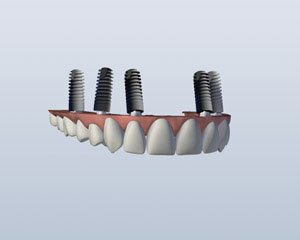
When considering dentures, it’s important to differentiate between the various types available. Complete dentures are designed to replace all teeth in either the upper or lower jaw, offering a comprehensive solution for significant tooth loss, whether full or partial. Furthermore, overdentures are a unique type that can fit over existing teeth or even dental implants, designed to fit seamlessly and offering enhanced stability. For those seeking superior retention, dental implants can be used as an effective solution. Implant-supported dentures are anchored to dental implants, significantly reducing the likelihood of slippage and improving overall comfort and function compared to traditional removable dentures, especially for patients with teeth in the upper jaw..
Advantages of Dentures
Dentures offer several compelling advantages, making them a viable tooth replacement option for many individuals, especially full or partial dentures for those with varying degrees of tooth loss, while dental implants can vary in their suitability for different cases. One significant benefit is that dental implants look and function like natural teeth, providing an aesthetic advantage over dentures, which are often considered false teeth. Dentures are typically more affordable than dental implants, making them a popular choice for those considering false teeth.Dentures are more affordable, making them a more accessible solution for those on a budget, particularly when weighing dentures vs implants, which can vary significantly in price. They are custom-fitted to provide a snug and comfortable fit, often eliminating the need for adhesives, and are generally considered a less invasive option compared to extensive dental implant procedures.
Disadvantages of Dentures
Despite their advantages, dentures also come with certain disadvantages that are important to consider, especially since the effectiveness of dental implants can vary. A significant long-term issue with dentures is the increased likelihood of bone loss in the jaw because the natural root structure of the missing teeth is not replaced, which can lead to jawbone deterioration and a noticeable change in facial structure over time. Additionally, a partial denture can sometimes lead to bacteria accumulation around remaining healthy teeth, contributing to tooth decay and gum disease, and in some cases, cause damage to the adjacent natural teeth.
Dentures vs. Dental Implants: A Comparison
Cost Comparison
When evaluating tooth replacement options, the cost is often a primary consideration for many patients, especially when comparing the cost of dental implants to dentures. Dentures are typically more affordable upfront, with a standard set of complete dentures costing around $1,000, making them an attractive option for those getting dentures, while the costs of dental implants can vary widely., making them an accessible solution for those with budget constraints, especially when considering dentures vs implants, as dentures are more affordable. In contrast, dental implants present a higher initial investment; a single tooth implant can cost approximately $3,000, while traditional implants can vary in price. Generally, dental implants are more expensive than conventional dentures or even a partial denture, though their long-term benefits may offset this initial difference, especially when considering dental implants and dentures together.
Longevity and Maintenance
The lifespan and maintenance requirements are crucial factors when choosing between dentures and dental implants, especially since dentures replace the entire arch of teeth. Conventional dentures typically need to be replaced every 5 to 7 years due to changes in the jaw and gum structure, while immediate dentures may offer a temporary fix until sufficient bone is available for implants. While a partial denture, with proper maintenance, might last slightly longer, perhaps 6-8 years, this still necessitates periodic replacements. Dental implants, on the other hand, are renowned for their durability; with diligent proper care, modern dental implants can last a lifetime, providing a permanent solution for missing teeth and preventing further tooth loss..
Comfort and Functionality
The comfort and functionality offered by tooth replacement options, such as dentures or dental implants, significantly impact a patient’s quality of life, particularly for those with teeth in the upper jaw. Implants and implant-supported dentures generally provide superior comfort compared to conventional dentures because they are securely anchored, preventing the slippage often associated with traditional dentures. Moreover, dental implants look and feel more like natural teeth, blending seamlessly with your existing smile, whereas traditional dentures can sometimes appear artificial or may not perfectly match the color of natural teeth, impacting the overall aesthetic of your oral health.
Choosing the Right Option for You
Factors to Consider
Choosing the right tooth replacement solution involves careful consideration of several important factors, including price, personal preference, and the overall health of your jawbone and remaining teeth. It’s crucial to understand that certain health issues, such as inadequate bone density, can make an individual ineligible for surgical procedures like dental implants, which are surgically implanted into the jawbone.
Consulting with Your Dentist
Making an informed decision about your tooth replacement options necessitates a thorough discussion with your dentist to help you find the best solution, whether that be dentures or dental implants, as the benefits of dental implants can vary based on individual circumstances. It is highly recommended that you schedule a consultation with a board-certified dentist to explore the pros and cons of both dentures and dental implants, including their long-term health implications, in detail.. During this consultation, your oral surgeon will conduct a comprehensive evaluation of your dental health, assessing the condition of your existing teeth, gums, and jawbone.
Making an Informed Decision
Ultimately, the goal is to make an informed decision that will significantly improve your dental health and overall quality of life, considering how dental implants can vary in terms of longevity and cost. This involves carefully weighing the pros and cons of each tooth replacement option, whether it’s a full denture, a partial denture, or various types of dental implants, especially in the context of dental implants vs dentures. Consider your priorities: do you prioritize the affordability of dentures, or the permanence and feel of dental implants, which are made to look and function like natural teeth?
Frequently Asked Questions
What are the main differences between dentures and dental implants?
Dentures are removable prosthetic devices that replace missing teeth and the surrounding gum tissue, sitting above the gumline and relying on suction or adhesives for stability; dentures are made to fit the unique shape of your mouth. They are typically made of porcelain or acrylic. In contrast, Dental implants are artificial tooth roots, usually made of titanium or zirconia, which are surgically implanted directly into the jawbone, allowing for osseointegration with the bone.. Dental implants fuse with the jawbone, providing a stable foundation for a crown or bridge, effectively acting like natural teeth, unlike removable dentures that may shift and require special cleaning.
How long do dentures and dental implants last?
Dental implants, however, boast remarkable durability; modern dental implants can last a lifetime with proper care, making them a more appealing choice compared to removable dentures, although the costs of dental implants can vary. If well cared for with consistent oral hygiene, including regular brushing and flossing, a dental implant will last a lifetime, whereas removable dentures may need to be replaced over time to prevent further tooth loss.. Their fusion with the jawbone makes them an incredibly durable and long-lasting solution, often outliving conventional dentures by decades and requiring minimal long-term maintenance beyond standard oral care.
Which option is more cost-effective in the long run?
Dental implants cost more upfront due to the surgical implant procedure and the materials used, as implants are generally more expensive than getting dentures. Despite this higher initial outlay, the long-term investment in dental implants can vary significantly based on individual needs. Dental implants can last a lifetime with proper care, while dentures and can last several years but may require replacement. This permanence means that while the initial expense is greater, the cost of dental implants often makes them a more affordable and cost-effective solution in the long run compared to removable dentures., eliminating ongoing expenses associated with denture maintenance and replacement, though the initial costs of dental implants can vary.