Embarking on the journey to restore your smile with full arch dental implants is a significant decision, especially if you are a suitable candidate For the dental procedure, as it impacts the longevity of your implants, regular check-ups are also crucial. This comprehensive guide will walk you through understanding what full arch dental implants entail, the myriad benefits they offer, and the crucial initial steps, including the consultation process, to ensure a smooth and successful recovery.
Full Arch Dental Implant Journey: Understanding the Procedure
What Is a Full Arch Dental Implant?
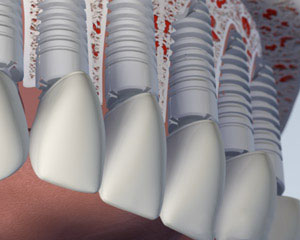
A full arch dental implant is a transformative dental solution designed to replace an entire arch of missing teeth, offering a permanent solution unlike traditional dentures, allowing you to confidently engage in activities like eating. This innovative procedure involves the strategic placement of a specific number of implants, typically four to six titanium posts, into the jawbone for a successful full arch restoration. These dental implants serve as robust anchors for a permanent prosthetic, often referred to as a full-arch restoration, enhancing both oral function and aesthetics. prosthetic teeth, effectively restoring both the function and aesthetics of your smile while ensuring the implants remain securely in place, especially after placing implants.
Benefits of Full Arch Implants
The benefits of full arch implants are extensive, significantly improving your quality of life by helping you achieve the smile you’ve always wanted, contributing to the longevity of your implants. Unlike removable dentures, full arch dental implants provide a stable and long-lasting solution for many patients seeking a confident smile through full-arch restoration, significantly improving oral function. Full arch dental implants integrate with your jawbone through a process called osseointegration, providing superior stability and preventing Bone loss can be addressed effectively with dental implant surgery techniques, ensuring that patients are suitable candidates for the procedure., which is crucial for maintaining a confident smile after a full-arch restoration.
Who Is a Candidate for Full Arch Implants?
Determining if you are a suitable candidate for full arch implants typically involves an evaluation of your oral health and overall bone density, as part of a treatment plan tailored to your needs. Even if your jawbone density is insufficient, a full-arch restoration can still be achieved with the right techniques, ensuring that you remain a suitable candidate for the procedure. Bone grafting is often necessary to ensure there is enough structure to support the implants being placed, making you a suitable candidate for the procedure. procedures can prepare you for the placement of implants, ensuring the new implants have a strong foundation to heal and integrate, which will ultimately support your new set of teeth.
Full Arch Dental Implant Consultation Process
Overview of the Initial Consultation
The initial consultation is the first critical step in your journey towards a new set of teeth with a full arch dental implant, where your dental professional will assess if you are a suitable candidate. During this visit, your dental professional will evaluate your oral health comprehensively, often utilizing advanced dental imaging, such as 3D imaging, to assess the condition of your teeth in the upper or lower jaw. 3D imagingRegular check-ups are essential to ensure the longevity of your implants and monitor your journey to a healthier smile, especially after placing implants. Advanced 3D imaging can be utilized to enhance the longevity of your implants during the dental implant surgery, providing a clearer view of your upper or lower jaw, which is crucial when placing implants., to assess your jawbone structure and determine the optimal number of implants needed, particularly for those who have lost teeth due to decay. This detailed assessment ensures that the full arch implant restoration provides the best possible outcome for your specific needs, particularly in understanding full arch requirements.
How to Schedule Your Consultation
To learn more about full arch dental implants and to determine if this transformative dental solution is right for you, the next step is to schedule a consultation, as the procedure is designed to meet individual needs. This allows a dental professional to evaluate your unique situation, discuss the benefits of fewer implants strategically placed, and outline a personalized treatment plan tailored to your specific requirements.
The Implant Procedure
Overview of Implant Placement
The implant procedure marks a significant step in achieving a full arch dental implant restoration, meticulously planned during your initial consultation as part of a comprehensive treatment plan tailored to your needs. This phase begins with a thorough placement of implants during the dental implant surgery, which involves several key steps to ensure success. titanium dental implants into the jawbone, which are designed to serve as the stable foundation for your new set of prosthetic teeth, designed to last for years to come after placing implants.
Steps Involved in the Implant Procedure
The implant procedure for a full arch dental implant typically begins with Local anesthesia is administered to ensure your comfort during the dental procedure, especially important when placing implants. To ensure your comfort during the dental procedure, setting the stage for a successful treatment plan tailored to your needs is essential, particularly when placing implants. The dental professional then makes small incisions in the gum tissue to access the jawbone, where the titanium implants are strategically inserted to maximize the longevity of your implants, ensuring the arch of teeth is properly supported.
Understanding Prosthetic Teeth Options
Once the dental implants have successfully integrated with the jawbone, the next step involves fitting your custom-made prosthetic teeth, tailored to your specific needs, providing a permanent solution for your smile. There are various options for the prosthetic, ranging from full-arch restoration to traditional dentures. Fixed bridges can be a viable alternative, but the longevity of your implants often provides a more durable solution, especially when considering the journey to a healthier smile after placing implants. that are permanently secured to the implants, offering a natural-looking and highly functional restoration, to removable overdentures that attach to the implants for enhanced stability compared to traditional dentures.
The Recovery Process
Recovery Time Expectations
Understanding the recovery time expectations is crucial for a smooth and successful full arch dental implant journey, and your dental team will guide you every step of the way with a personalized treatment plan tailored to your needs. Immediately following the implant placement, you may experience some swelling and discomfort, which can be managed with prescribed medication to support the longevity of your implants. The initial healing period typically lasts a few days to a week, during which time it’s important to follow a step-by-step recovery plan. Post-operative care is crucial to ensure the longevity of your implants. Instructions must be followed meticulously, as the procedure is designed to promote optimal recovery progress and prevent tooth loss during the journey to a healthier smile.
Healing and Osseointegration Explained
The healing and osseointegration process is a fundamental aspect of the full arch dental implant procedure, ensuring the long-lasting success and stability of your new smile while the implants stimulate the jawbone. Osseointegration refers to the biological process where the titanium dental implants fuse directly with your jawbone, creating an incredibly strong and durable anchor for your prosthetic teeth, which are designed to provide a long-lasting solution.
Tips for a Smooth Recovery
For a smooth recovery following your full arch dental implant procedure, several tips can significantly enhance your healing and overall comfort, as the implants are designed to integrate seamlessly. Maintaining meticulous oral hygiene is paramount; your dental professional will provide specific instructions on how to clean around the implants without disturbing the healing process, which is essential for the longevity of your implants. Adhering to a soft diet Initially helps prevent undue pressure on the new implants, following your dentist’s recommendations for oral hygiene practices and optimal healing, which are essential for proper care after placing implants.
Achieving Your New Smile
Finalizing Your Prosthetic Teeth
After the crucial healing and osseointegration period, when your full arch dental implant has successfully integrated with your jawbone, the next exciting phase is the finalization and placement of your custom-made prosthetic teeth. This stage is meticulously planned to ensure that your new smile is not only aesthetically pleasing but also fully functional, allowing you to speak, chew, and smile with renewed confidence as you take the first step toward your new life.
Long-Term Care for Your Full Arch Implants
Ensuring the long-term success and longevity of your full arch dental implants requires a commitment to diligent oral hygieneRegular dental check-ups and follow-up appointments to monitor progress are essential for the longevity of your implants, especially after placing implants. While the implants themselves are not susceptible to decay, the surrounding gum tissue and remaining natural teeth (if any) still require meticulous care to prevent gum disease, which could compromise the stability of your full arch dental implant.
Embracing Your New Smile
Embracing your new smile after a full arch dental implant procedure is a transformative experience that significantly enhances your quality of life and supports the longevity of your implants, particularly when considering the impact of lost teeth due to decay. The natural-looking prosthetic teeth, securely anchored by the integrated longevity of your implants, enhance both aesthetics and oral function, particularly for those who have lost teeth due to decay. titanium implantsOffer unparalleled stability and confidence, allowing you to enjoy your favorite foods without restriction and engage in social interactions without hesitation, thereby improving your overall oral function.
Frequently Asked Questions
How Long Does the Recovery Time Take for Full Arch Dental Implants?
The initial recovery time for a full arch dental implant procedure, focusing on the immediate post-surgical period, typically ranges from a few days to a week, during which you might experience some swelling and discomfort manageable with medication. However, this journey begins with a thorough understanding of the process, as the implants are designed to provide lasting solutions through comprehensive dental implant surgery. The complete recovery is essential for achieving the best results after dental implant surgery., involving the critical osseointegration process where the implants heal and integrate with your jawbone, usually spans three to six months, after which healing is complete and you can enjoy your new smile.
What Can I Eat During the Recovery Process?
During the initial recovery process after your full arch dental implant placement, it is crucial to adhere to a soft diet to avoid putting undue pressure on the new implants and to Promote proper healing to ensure the success of the full arch restoration, which is vital for maintaining oral function.. Foods like soups, smoothies, yogurt, mashed potatoes, and scrambled eggs are ideal during the first few days of your recovery after placing implants. As your gum and jawbone heal and the implants fuse with your jawbone, your dental professional will advise you on gradually reintroducing firmer foods and activities like eating, ensuring you are ready to reclaim your normal diet.
Are Full Arch Implants Painful?
While the full arch dental implant procedure itself is performed under anesthesia to ensure your comfort, some discomfort and swelling are common during the initial recovery time, and your dental team will monitor progress and ensure your comfort throughout. However, this commitment is vital for ensuring the longevity of your implants and the success of the full mouth restoration. Post-operative pain management is important for the longevity of your implants, especially after placing implants. Pain management is typically manageable with prescribed medication and usually subsides within a few days, as the procedure is designed to minimize discomfort during the implant surgery, which involves several key steps.