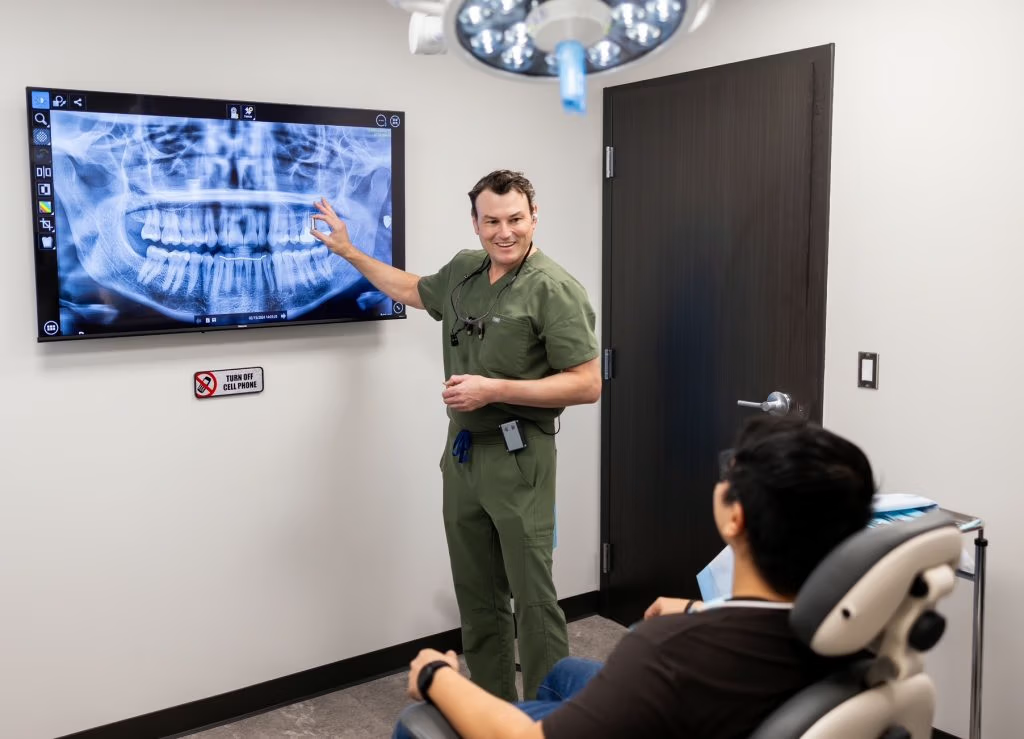
Effective pain management following oral surgery is crucial for patient comfort and recovery. The growing concern surrounding opioid use and its potential for dependence has led to increased interest in opioid-free and opioid-sparing pain management strategies. This article explores the principles and techniques of opioid-free anesthesia and pain medicine, focusing on their application in oral and maxillofacial surgery. We will delve into the importance of comprehensive pain control, the challenges of postoperative pain, and the potential benefits of reducing or eliminating opioid consumption in postsurgical pain management.
Introduction to Opioid-Free Pain Management
Opioid-free pain management represents a paradigm shift in how postoperative pain is addressed, particularly in oral surgery. This approach aims to minimize or eliminate opioid use by employing alternative pain relief methods, particularly in the context of postoperative pain intensity. The rise of opioid-free anesthesia and pain management is driven by the opioid crisis and the recognition of the risks associated with opioid prescription, including addiction, respiratory depression, and other adverse effects. Opioid-sparing strategies seek to reduce the reliance on opioids by combining them with non-opioid analgesics and techniques, ultimately leading to effective pain management with fewer opioid-related side effects.
Understanding Opioid-Free Anesthesia
Opioid-free anesthesia involves using anesthetic agents and techniques that do not include opioids during surgical procedures. Regional anesthesia, such as nerve blocks, plays a significant role in achieving this, providing targeted pain control and reducing the need for general anesthesia and systemic pain medication. Opioid-free anesthesia protocols often incorporate multimodal analgesia, combining different classes of non-opioid pain relievers like NSAIDs, acetaminophen, and local anesthetics. This approach aims to interrupt pain pathways at multiple points, enhancing pain relief in acute pain situations and minimizing the risk of postoperative pain. The use of opioid-sparing anesthesia is also essential to reduce opioid consumption.
Importance of Pain Management in Oral Surgery
Effective pain management is paramount in oral surgery to ensure patient comfort, promote healing, and facilitate a faster recovery after surgery. Uncontrolled postoperative pain can lead to increased stress, anxiety, and impaired function. Adequate pain control not only improves the patient experience but also reduces the risk of developing chronic pain conditions. Furthermore, effective postoperative pain management enables patients to resume their normal activities sooner, improving their overall quality of life. Implementing strategies for effective pain management is a crucial aspect of comprehensive patient care in oral and maxillofacial surgery.
Overview of Opioid Use in Postoperative Settings
Historically, opioids have been a mainstay in postoperative pain management, including after oral surgery procedures like third molar surgery. While opioids can provide effective pain relief, their use is associated with significant risks, including addiction, respiratory depression, and constipation. The opioid epidemic has highlighted the potential for new persistent opioid use following surgery, prompting a re-evaluation of opioid prescribing practices. In the context of postoperative opioid consumption, it is essential to consider alternative pain management strategies that can reduce reliance on opioids, particularly in the management of postoperative pain and opioid use after surgery, without compromising effective pain control. The need for opioid-free or opioid-sparing approaches is increasingly recognized in postoperative settings to mitigate the risks associated with opioid utilization.
Methods of Pain Management in Oral Surgery
Opioid-Sparing Anesthesia Techniques
In the realm of oral surgery, Opioid-sparing anesthesia techniques are gaining prominence as a crucial component of comprehensive pain management, particularly in the context of postoperative pain and opioid use after surgery. These techniques aim to reduce opioid use during surgical procedures, thereby mitigating the risks associated with opioid prescription and opioid utilization. The use of regional anesthesia, such as nerve blocks, is a key element in opioid-sparing anesthesia, providing targeted pain relief without the need for systemic opioids. By employing opioid-sparing anesthesia, oral surgeons can enhance patient safety and minimize the potential for new persistent opioid use in the postoperative period, promoting a more comfortable recovery after surgery. The goal is to achieve effective pain management with reduced opioid consumption, aligning with the principles of opioid-free anesthesia and responsible opioid prescribing patterns.
Non-Opioid Pain Management Strategies
Non-opioid pain management strategies play a pivotal role in the context of postoperative pain, especially following oral surgery. These strategies involve the use of non-opioid pain relievers and techniques to control pain intensity and minimize the need for opioid medication. Common non-opioid analgesics include NSAIDs and acetaminophen, which can effectively address mild to moderate pain. Additionally, adjunctive therapies such as cryotherapy and physical therapy can complement non-opioid pain management by reducing inflammation and promoting healing, particularly in the context of hand surgery. By incorporating these strategies, oral surgeons can offer patients a multimodal approach to pain relief, improving patient outcomes and decreasing the risk of opioid-related adverse events. This approach is essential for opioid-free anesthesia and responsible pain medicine practices.
Utilizing Multimodal Analgesia
Multimodal analgesia is a cornerstone of effective pain management in oral and maxillofacial surgery, particularly in the context of opioid-free and opioid-sparing approaches, which can improve postoperative pain intensity. This strategy involves combining different classes of analgesics and techniques to target pain pathways at multiple sites, maximizing pain relief and minimizing side effects. For instance, a multimodal regimen might include a combination of NSAIDs, acetaminophen, and local anesthetics, along with non-pharmacological interventions like ice packs and relaxation techniques. By adopting a multimodal approach, oral surgeons can achieve superior postoperative pain control compared to relying solely on opioids. Multimodal analgesia is integral to minimizing opioid consumption and promoting a smooth recovery after surgery, aligning with the goals of enhanced patient care and reduced opioid prescription.
Impact of Opioid-Free Approaches on Postoperative Pain
Studies on Pain Intensity and Recovery
Clinical trials examining the impact of opioid-free anesthesia on postoperative pain have demonstrated promising results in oral and maxillofacial surgery, suggesting a shift towards reduced opioid use after surgery. These studies often focus on pain intensity, comparing pain scores between patients receiving opioid-free anesthesia and those managed with traditional opioid-based regimens. Some research indicates that opioid-sparing anesthesia techniques can lead to comparable or even superior pain relief, while significantly reducing opioid consumption. Moreover, studies on recovery after surgery frequently assess factors such as the time to return to normal activities, patient satisfaction, and the incidence of opioid-related side effects, offering a comprehensive view of the benefits associated with opioid-free approaches. The focus is on effective pain management without reliance on opioids. In managing acute postoperative pain, the goal is to improve recovery.
Systematic Review and Meta-Analysis Findings
Systematic reviews and meta-analyses have played a crucial role in synthesizing evidence regarding the effectiveness of opioid-free anesthesia and pain management strategies. These analyses pool data from multiple clinical trials to provide a more robust assessment of outcomes, such as pain intensity, opioid consumption, and adverse events. Findings from these reviews often support the use of multimodal analgesia and regional anesthesia as effective alternatives to opioids in managing postoperative pain after oral surgery. Furthermore, systematic reviews may explore the impact of opioid-free anesthesia on long-term outcomes, including the risk of developing chronic pain and new persistent opioid use. By providing a comprehensive overview of the available evidence, these analyses inform clinical practice and guide the implementation of opioid-free approaches in anesthesia and pain medicine. They are crucial to understand the long-term effect of eliminating opioids after surgery, especially in relation to prolonged opioid use and its implications for patient health.
Comparative Outcomes: Opioid vs. Opioid-Free
Comparative studies evaluating opioid vs. opioid-free strategies in oral surgery often assess a range of outcomes, including pain scores, opioid utilization, and patient satisfaction. These studies aim to determine whether opioid-free approaches can provide equivalent or superior pain relief compared to traditional opioid-based regimens, while minimizing the risks associated with opioid use. By comparing postoperative pain management outcomes, researchers can identify the potential advantages of opioid-free anesthesia, such as reduced opioid consumption, fewer side effects, and faster recovery times. These comparative analyses are essential for informing clinical decision-making and promoting the adoption of evidence-based pain management strategies in oral and maxillofacial surgery and reducing the rise of new persistent opioid use, while achieving effective pain management.
Challenges and Considerations in Opioid-Free Management
Patient-Specific Factors in Pain Management
Effective pain management in oral surgery necessitates a nuanced understanding of patient-specific factors that can influence the perception and response to pain. These factors include age, sex, genetics, psychological state, and pre-existing medical conditions. For instance, patients with a history of chronic pain or anxiety may require more intensive pain control measures, while those with opioid dependence may benefit from opioid-sparing anesthesia techniques to avoid triggering relapse. Additionally, genetic variations can affect how individuals metabolize analgesics, impacting their efficacy and duration of action. Tailoring pain management strategies to address these individual differences is essential for optimizing postoperative pain control and ensuring patient satisfaction. This is especially important in the context of opioid-free anesthesia and the management of postoperative pain, as it aligns with the recommendations of the American Pain Society.
Adverse Effects and Limitations of Opioid-Free Approaches
While opioid-free anesthesia offers numerous benefits, it is crucial to acknowledge potential adverse effects and limitations associated with this approach in oral surgery. Non-opioid analgesics, such as NSAIDs, can cause gastrointestinal side effects, including ulcers and bleeding, particularly with long-term use. Regional anesthesia techniques, like nerve blocks, carry a risk of nerve damage or local anesthetic toxicity, although these complications are rare. Moreover, some patients may experience inadequate pain relief with opioid-free strategies alone, necessitating the use of rescue opioid medication. Therefore, careful patient selection, comprehensive monitoring, and a willingness to adjust pain management plans are essential to mitigate these risks and ensure effective postoperative pain control. Balancing pain medicine with potential side effects is crucial, especially when considering opioid prescribing patterns versus opioid-free alternatives.
Future Directions in Pain Medicine Research
Future research in pain medicine is poised to revolutionize postoperative pain management in oral and maxillofacial surgery, with a particular focus on opioid-free strategies. Emerging areas of investigation include the development of novel non-opioid analgesics with improved efficacy and safety profiles. Furthermore, advances in personalized pain medicine aim to tailor pain management approaches based on individual genetic and physiological characteristics, particularly in the context of opioid misuse prevention. The use of artificial intelligence and machine learning may also play a role in predicting patient responses to different pain relief methods and optimizing treatment plans. These advancements hold promise for enhancing postoperative pain control and minimizing the reliance on opioids, ultimately improving patient outcomes and addressing the opioid crisis. More research on opioid-free anesthesia and the management of acute postoperative pain is needed.
Conclusion
Summary of Key Findings
In summary, this article has explored the principles and techniques of opioid-free and opioid-sparing pain management in oral surgery, emphasizing the importance of comprehensive pain control and the potential benefits of reducing or eliminating opioid use. We have discussed various methods of pain management, including opioid-sparing anesthesia techniques, non-opioid pain management strategies, and multimodal analgesia. Evidence from clinical trials, systematic reviews, and meta-analyses suggests that opioid-free approaches can provide effective pain relief while minimizing the risks associated with opioids. Patient-specific factors, adverse effects, and future directions in pain medicine research were also considered. Effective pain management after oral surgery is an essential part of treatment.
The Future of Pain Management in Oral Surgery
The future of pain management in oral surgery is trending toward a more personalized, multimodal, and opioid-sparing approach. As our understanding of pain mechanisms and individual patient variability grows, we can expect to see more targeted and effective pain relief strategies that minimize the need for opioids. Technological advancements, such as real-time monitoring of pain intensity and personalized drug delivery systems, may further enhance postoperative pain control. By embracing innovation and adopting evidence-based practices, oral surgeons can improve patient outcomes, reduce opioid-related complications, and contribute to addressing the opioid crisis. Therefore, it is important to use strategies of opioid sparing and provide opioid-free anesthesia for better postoperative pain management.
Final Thoughts on Opioid-Sparing Techniques
Opioid-sparing techniques represent a significant advancement in postoperative pain management, offering a pathway to reduce opioid consumption while still providing effective pain relief. By utilizing regional anesthesia, multimodal analgesia, and non-opioid pain relievers, oral surgeons can tailor pain management plans to meet the unique needs of each patient. While opioid-free approaches may not be suitable for all individuals, they offer a valuable alternative for those at higher risk of opioid-related adverse effects or those seeking to avoid opioid use altogether. As research continues to evolve, we can anticipate further refinements in opioid-sparing techniques, leading to improved patient outcomes and a more responsible approach to managing acute pain. It is crucial that opioid use in postsurgical pain management is limited to avoid the rise of the opioid epidemic.
Q: What are common strategies for managing postsurgical pain without opioids after oral surgery?
A: Multimodal analgesia is the foundation for opioid-free and opioid-sparing postsurgical pain management after oral surgery. This typically combines acetaminophen, NSAIDs (ibuprofen or naproxen), local/regional anesthesia (nerve blocks), and adjuncts such as gabapentinoids or dexamethasone when appropriate. Using balanced anesthesia and targeted regional anesthesia can decrease opioid requirements and opioid exposure while improving pain outcomes and reducing the risk of chronic opioid use.
Q: How effective is opioid-free care for post-surgical pain after wisdom tooth extraction or other oral procedures?
A: Studies show that opioid-free regimens using NSAIDs plus acetaminophen, often with a local anesthetic block, provide comparable or better postoperative pain scores versus opioid-containing prescriptions for many oral surgeries. For postoperative pain in adults undergoing common dental or oral procedures, this approach can reduce pain scores in the PACU and lower patterns of opioid prescribing without worsening pain outcomes.
Q: Can perioperative pain management techniques reduce postoperative opioid requirements?
A: Yes. Perioperative pain management including preemptive analgesics, intraoperative regional anesthesia, and multimodal postoperative medications can significantly decrease opioid requirements. Evidence from general surgery and oral surgery indicates an association between intraoperative opioid administration and later opioid needs, so minimizing perioperative opioid administration helps reduce subsequent opioid exposure and potential chronic opioid use.
Q: What role does regional anesthesia play in postsurgical pain management after oral surgery?
A: Regional anesthesia and pain medicine techniques, such as inferior alveolar nerve blocks or local infiltration, provide targeted analgesia and are central to opioid-sparing strategies. The American Society of Regional Anesthesia supports use of nerve blocks to improve pain outcomes and enable enhanced recovery after surgery by lowering postoperative pain scores and opioid requirements.
Q: How should clinicians counsel patients about postoperative day pain expectations and opioid use?
A: Clinicians should set realistic expectations for postoperative pain and discuss multimodal plans: anticipated pain trajectory across the first postoperative day and subsequent days, use of scheduled acetaminophen/NSAIDs, and when to use rescue opioid medication if necessary. Emphasize that many patients achieve adequate control without opioids and that minimizing opioid exposure reduces risk of chronic opioid use.
Q: Are there specific patient factors that influence success of opioid-free post-surgical pain protocols?
A: Yes. Factors include baseline chronic opioid use, anxiety, pain sensitivity, and medical comorbidities. Patients already on chronic opioid therapy may require specialized perioperative opioid-sparing plans and careful tapering. For opioid-naïve patients, opioid-free protocols are more often successful, especially when combined with effective regional anesthesia and adherence to a multimodal regimen.
Q: What are safe rescue strategies if opioid-free measures do not adequately control postoperative pain?
A: If pain remains uncontrolled despite optimized multimodal therapy, short-duration, lowest-effective-dose opioid prescriptions for breakthrough pain can be provided alongside continued nonopioid measures. Monitor pain scores in the PACU and on subsequent postoperative days, reassess causes of pain, and use the minimal opioid exposure necessary while planning follow-up to prevent transition to chronic opioid use.
Q: How does implementing opioid-sparing protocols affect broader patterns of opioid prescribing and recovery?
A: Implementing opioid-sparing and opioid-free protocols after oral surgery shifts patterns of opioid prescribing toward fewer and lower-dose prescriptions, reduces perioperative opioid administration, and can contribute to enhanced recovery after surgery. This approach lowers opioid exposure in the population, decreases postoperative pain scores when multimodal measures are used, and reduces the risk of new persistent opioid use following surgery.